Blog

  • The Plastic Waste Problem Could Be Solved (If You Want It)

    The Plastic Waste Problem Could Be Solved (If You Want It)

    I have environmentalist leanings. Not fully, but I make changes when I can, with an awareness that I’m part of the problem too. One of the concerns I have is with plastics. Yes, it’s useful, versatile, and convenient. But discarding it has created a massive environmental problem.

    Recycling plastic waste is more expensive and complex than originally promised, with limited capacity. While some plastic types can be recycled, others can’t. Many plastics are simply burned or end up in landfills or in various parts of the world. It can be bleak to think about, since plastic waste often take decades to decompose, and micro plastics exposure can lead to various health problems over time. Burning plastic contributes to air pollution.

    However, some online articles I read in recent years and days give me hope that plastic waste can be reused and processed. It turns out that plastic waste can be converted into a building material, like bricks, tiling, panels, and other construction materials.

    The first article I read was of a construction startup called Takataka Plastics. Two engineers found a way to convert PET type of plastic into tiles, and later lawn chairs, plant pots, coasters, medical visors, and other useful products.

    The second article I read was last month. where a team of Japanese scientists developed a “supramolecular” plastic that decomposes in seawater in 2 or 3 hours, leaving behind non-toxic by-products. These byproducts are then consumed by bacteria in seawater, leaving no pollution. There’s no microplastic problem with these newly developed plastics.

    The 3rd innovation I read of was just last week. Various companies in the Philippines are turning plastic waste into construction materials for homes and other useful structures. There’s various methods developed, but the most promising method is using high energy radiation to strengthen and process plastic to create stronger chemical bonds. This reduces the costs of building materials, reduces plastic waste, and creates new jobs and housing.

    Along with the discovery in Japan that certain types of bacteria in seawater can consume PET plastics in seawater, which may lead to genetic modification of these bacteria and the digestive enzymes they create to speed up the decomposition of plastic pollution in the oceans.I really hope that these innovations are developed further, because they have the potential to solve many problems at once. Reduce plastic pollution, improve environmental and public health, create materials at a lower cost, and create new jobs in lower income communities and countries.

    Plastic Pollution could be solved by science and engineering, if there is a proper funding and enough people in various countries who want to make it so.

  • How to Grow Crops in Small Living Spaces

    How to Grow Crops in Small Living Spaces

    Growing food plants in pots and limited spaces, like small balconies or patios, is a rewarding way to enjoy fresh produce even without a big garden. Here are some tips to help you get started and succeed:

    1. **Choose the Right Containers:** Use pots with good drainage holes to prevent waterlogging. Containers made of terracotta, plastic, or fabric pots all work well depending on your space and budget.

    2. **Select Suitable Plants:** Opt for plants that thrive in small spaces and containers. Some of the best food plants for small-scale gardens include:- **Herbs:** Basil, parsley, cilantro, mint, chives- **Leafy greens:** Lettuce, spinach, kale, arugula- **Peppers:** Bell peppers and chili peppers- **Tomatoes:** Cherry or patio varieties- **Radishes and carrots:** Choose shorter root varieties- **Green beans:** Bush varieties work better than pole types in pots- **Strawberries:** Compact and productive in containers.

    3. **Use Quality Potting Mix:** Choose a lightweight, well-draining potting soil that’s rich in organic matter. Avoid using garden soil, which can compact and reduce aeration.

    4. **Sunlight Matters:** Most food plants require at least 6 hours of direct sunlight daily. Position your pots accordingly or consider supplemental grow lights if natural light is limited.

    5. **Water Consistently:** Container plants tend to dry out faster than garden beds, so check soil moisture regularly and water when the top inch feels dry. Avoid overwatering by ensuring proper drainage.

    6. **Fertilize Regularly:** Use balanced, slow-release fertilizers or organic options like compost tea or fish emulsion to provide essential nutrients throughout the growing season.

    7. **Maximize Vertical Space:** Use trellises, hanging baskets, or tiered plant stands to increase your growing area without taking up much floor space.

    8. **Practice Crop Rotation and Companion Planting:** To keep plants healthy and maximize yields, rotate crops in your pots each season and plant compatible species together.

    With these tips, even the smallest space can become a thriving food garden, providing fresh, homegrown flavors right at your doorstep!

  • US and International Charities

    US and International Charities

    Here’s a list of some of the best anti-poverty charities, both in the US and internationally, along with a brief explanation of each organization’s mission:

    **United States:**

    1. **Feeding America**Feeding America is the largest hunger-relief organization in the US. Its mission is to connect people with food and end hunger through a nationwide network of food banks, pantries, and meal programs.

    2. **Habitat for Humanity**Habitat for Humanity aims to eliminate poverty housing by building affordable homes in partnership with low-income families. They empower people to break the cycle of poverty through stable housing.

    3. **United Way Worldwide**United Way focuses on improving education, financial stability, and health for individuals and families. They mobilize communities and resources to address root causes of poverty and create lasting change.

    **4. The Salvation Army (USA)***Mission:* To provide comprehensive social services including food assistance, shelter, and rehabilitation programs to individuals and families experiencing poverty and homelessness. The Salvation Army aims to meet the physical, emotional, and spiritual needs of vulnerable populations.

    **5. Covenant House***Mission:* To provide shelter, food, crisis care, and other services to homeless and runaway youth across the United States and Canada. Covenant House works to help young people escape poverty and build stable futures.

    **International:**

    1. **Oxfam International**Oxfam works to end global poverty and injustice. Their programs include providing clean water, supporting sustainable agriculture, and advocating for fair trade and human rights worldwide.

    2. **CARE International**CARE fights global poverty with a focus on women and girls, believing that empowering them is key to alleviating poverty. They provide food security, education, and emergency relief in vulnerable communities.

    3. **The Against Malaria Foundation**This charity aims to reduce poverty by preventing malaria, one of the biggest health threats in developing countries. They provide insecticide-treated bed nets and work to reduce malaria-related deaths and economic hardship.

    4. **Heifer International**Heifer International’s mission is to end hunger and poverty by providing livestock, training, and resources to impoverished families, enabling them to become self-reliant and sustainable.

    **5. The International Rescue Committee (IRC)***Mission:* To respond to humanitarian crises and help refugees and displaced people rebuild their lives. The IRC provides emergency aid, health care, education, and economic support to vulnerable populations affected by conflict and disaster.

    **6. World Vision International***Mission:* To tackle the root causes of poverty and injustice by supporting children, families, and communities in need. World Vision focuses on child protection, education, health, and economic development across more than 100 countries.

    Each of these organizations tackles poverty from different angles—whether it’s food security, housing, health, or economic empowerment—making a tangible difference in communities around the world.

  • Yakisoba Recipe (Japanese Stir Fry with Noodles)

    Yakisoba Recipe (Japanese Stir Fry with Noodles)

    Japanese Stir Fry with Noodles (Yakisoba) is a versatile, tasty, affordable, and nutritious meal. The beauty of it is that it’s fairly easy to make, and there’s variations in the ingredients. Different types of meat, sauces, noodles, and vegetables can be used to make this dish. Vegetarian options are even possible. Let’s get started.

    Pound of meat, cut in bite sized pieces, and cooked thoroughly in a pot, wok, or large saucepan. Tougher cuts of meat should be marinated for a span of 2 to 12 hours first to improve flavor and tenderness.

    8 ounces of desired pasta, cooked thoroughly in boiling water and a splash of cooking  oil until tender yet firm. Drain excess water

    Slices of desired vegetables (onions, green peppers, cabbage, snap peas, green beans, and so on.)

    Splashes of cooking oil to brown the meat and cook vegetables

    Choice of sauce (Oyster, Fish Sauce, Soy Sauce, Hoisin, Teriyaki)

    Meat variations:

    Ground beef, or diced steak of any cut. It’s best to marinate steak first in soy, teriyaki, fish, or oyster sauce for 2 to 12 hours first. Ground beef marination isn’t needed.

    Chicken. Boneless chicken breast works best, but pieces of chicken baked or fried thoroughly and then deboned will also work.

    Seafood: Shrimp works best, but diced cuts of fish, prawns, or even pieces or lobster and crab meat could work.

    Turkey: Ground turkey works best (and is most affordable), but pieces of meat from a thoroughly cooked turkey will also do.

    Pork: diced pork from roast, chops, or tenderloin will be best. While Ham could possibly work, it’s not recommended.

    Tofu can be a meat substitute, or not adding any animal protein at all are also options

    Sauce Variations:

    Oyster sauce is traditionally used as the sauce in Japan, but Teriyaki, Fish Sauce, Soy Sauce, Hoisin, and Chilli Crisp sauce can also be used. The sauce can also marinate tougher cuts of meat, like with steak and pork. Just cut up pieces of meat to bite sized pieces, place in a bowl or another container, add the desired sauce, cover, and marinate the mixture for at least 2.hours. Up to 12 hours for even more flavorful and tender meat.

    I personally add a few splashes of hot sauce to the stir fry while cooking, which gives the meal an extra kick. But this is an optional ingredient, and not everyone prefers spice in their meals.

    Vegetables Variations:

    There is a variety of different vegetables that can be added to a stir fry. A basic Yakisoba will use sliced onions, but bite sized pieces of green peppers, carrots, green beans, bamboo shoots, broccoli, snap peas, cabbage, sliced mushrooms, bean sprouts, baby corn, and water chestnuts can be added. Any mixture will work. I personally use frozen mixed vegetables of corn, green beans, peas, , and diced carrots to the stir fry for convenience and affordability.

    Additional ingredients:

    I personally add about half a tablespoon of garlic powder to my version of Yakisoba, but there’s variations. Some people may add ginger, ground ginseng, a little black pepper, curry powder, or even chili powder to their meals.

    Pasta:

    Spaghetti, egg noodles, or linguine can be used, but really almost any kind of pasta will work. I’ve made Yakisoba using Rotini, Fussili, and Penne before. It may change the appearance and texture of the meal, but the nutrition and taste remain the same.

    Directions:
    Boil pasta, drain and set aside, brown meat, add a splash or 2 of sauce, add veggies and stir until desired, add desired spices, add cooked noodles, add splashes of more sauce until properly coated, stir until done. Should be enough food for 1 to 4 people.

    There’s different ways to make Yakisoba, so experiment and find the version that works best for you. I personally like using ground beef or turkey, soy sauce, a little hot sauce, spaghetti noodles, onion slices, and frozen mixed vegetables. It cooks quickly , tastes good, and is filling.

    I learned how to make a variation of Yakisoba in the military, and have been making variations of it years later. I always enjoyed making it, and in most cases I finished it by myself.  Yes, I need to lose weight. Enjoy!

    My version of Yakisoba.

  • Solar cooking and heating

    Solar cooking and heating


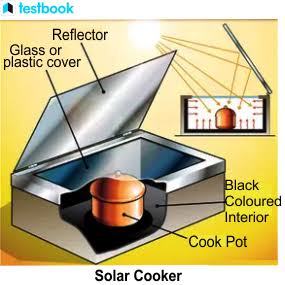
    Creating an efficient, low-cost solar oven and exploring other solar heating methods can be both an eco-friendly and budget-friendly way to harness the sun’s energy. Here’s a simple guide to making your own solar oven along with some alternative solar heating ideas:

    ### How to Make an Efficient Low-Cost Solar Oven

    **Materials Needed:**
    – Cardboard box (pizza box or similar)
    – Aluminum foil
    – Clear plastic wrap or a transparent plastic bag
    – Black construction paper or non-toxic black paint
    – Tape and scissors
    – Newspaper or other insulating material

    **Steps:**
    1. **Prepare the Box:** If using a pizza box, cut a flap on the lid by slicing along three sides, leaving one side attached to act as a hinge.


    2. **Line with Aluminum Foil:** Cover the inner side of the flap with aluminum foil, shiny side out, securing it with tape. This will reflect sunlight into the box.


    3. **Create the Oven Interior:** Line the bottom of the box with black paper or paint it black to absorb heat efficiently.


    4. **Insulate the Oven:** Crumple newspaper and place it around the black base inside the box to insulate and retain heat.


    5. **Seal with Plastic:** Stretch clear plastic wrap tightly over the opening of the box (under the foil flap) to create a greenhouse effect, trapping heat inside.


    6. **Positioning:** Place your solar oven in direct sunlight, angle the foil flap to reflect maximum sunlight into the box, and place your food inside on a small plate.


    7. **Cooking:** Cooking times will vary; simple items like s’mores, nachos, or small vegetables can cook in 30 minutes to a couple of hours depending on sunlight intensity.

    ### Other Solar Heating Methods

    – **Solar Water Heater:** Use black-painted containers or tubes exposed to the sun to heat water. Insulate them properly to retain heat.


    – **Solar Air Heater:** Construct a box with a transparent front and dark interior to warm air, which can then be circulated indoors with a fan.


    – **Solar Thermal Collectors:** More advanced setups use panels to collect and transfer solar heat for home heating or water heating.


    – **Passive Solar Design:** Incorporate architectural features such as south-facing windows, thermal mass (like concrete or stone floors), and proper insulation to naturally heat living spaces.

    Harnessing solar energy for cooking and heating not only reduces reliance on fossil fuels but also saves money and promotes sustainable living. Give these methods a try and enjoy the warmth of the sun in a practical, green way!   ~H

  • From Humble Beginnings to Wealth: The Inspiring Journey of Tao Huabi and Other Self-Made Success Stories

    From Humble Beginnings to Wealth: The Inspiring Journey of Tao Huabi and Other Self-Made Success Stories

    The path to success is rarely a straight line, often marked by challenges, perseverance, and unwavering determination. Few stories embody this journey more vividly than that of Tao Huabi, whose rise from modest origins to becoming a celebrated entrepreneur serves as a powerful testament to the spirit of self-made achievement. In this blog post, we will explore Tao Huabi’s inspiring story alongside other remarkable self-made success stories, uncovering the lessons, mindset, and strategies that propelled these individuals from humble beginnings to extraordinary wealth. Whether you’re seeking motivation or practical insights, these narratives offer invaluable inspiration for anyone striving to carve their own path to success.

    1. Introduction: The Power of Self-Made Success

    The journey from humble beginnings to remarkable success is a story that resonates across cultures and industries. It embodies the spirit of determination, resilience, and unwavering belief in one’s vision. Tao Huabi’s inspiring rise from a modest background to becoming a celebrated entrepreneur exemplifies the transformative power of self-made success. Her story, along with countless others, illustrates how passion combined with hard work can break barriers and create lasting impact. In this blog post, we will explore the journeys of Tao Huabi and other remarkable individuals who turned challenges into opportunities, proving that with perseverance and dedication, anyone can rewrite their destiny and achieve extraordinary wealth and influence.

    2. Who is Tao Huabi? A Brief Biography

    Tao Huabi is a remarkable example of perseverance and entrepreneurial spirit, rising from modest origins to become one of China’s most successful self-made businesswomen. Born in a small rural village, Tao faced numerous hardships early in life, including financial struggles and limited access to education. Despite these challenges, her determination to create a better future for herself and her family never wavered.
    Tao’s journey began in the food industry, where she started by selling homemade chili sauces door-to-door. With a keen eye for quality and an unwavering commitment to her craft, her products quickly gained popularity. Recognizing the growing demand, she founded the Lao Gan Ma company, which would eventually become a household name across China and beyond. Her brand is now synonymous with authentic, flavorful chili sauces that have won the hearts of millions.
    What sets Tao Huabi apart is not just her business acumen, but her dedication to maintaining the traditional flavors and recipes that made her products unique. Through hard work, innovation, and a deep understanding of her customers’ tastes, Tao transformed a small-scale operation into a thriving enterprise, inspiring countless aspiring entrepreneurs along the way. Her story is a testament to how resilience, passion, and a clear vision can turn humble beginnings into extraordinary success.

    3. Early Life and Humble Beginnings

    Tao Huabi’s story is a powerful testament to how determination and hard work can transform humble beginnings into extraordinary success. Born into a modest family, Tao faced numerous challenges from a young age, including financial hardships and limited access to resources. Despite these obstacles, her unwavering spirit and entrepreneurial mindset set her on a path that would eventually revolutionize the food industry in China.
    Growing up in a small rural town, Tao was no stranger to adversity. She took on various jobs to support her family, gaining valuable life experience along the way. It was during these formative years that she developed a keen understanding of the needs and tastes of everyday consumers- knowledge that would later become the foundation of her business empire.
    Tao’s journey began with a simple but bold idea: to create a distinctive chili sauce that captured authentic flavors while remaining affordable for the average household. Starting with just a small kitchen and a handful of ingredients, she meticulously crafted her recipe, often working long hours to perfect the taste. Her dedication paid off, as her product quickly gained popularity among locals, laying the groundwork for what would become a nationwide brand.
    Her early struggles and humble start serve as a reminder that success rarely comes overnight. Through perseverance, innovation, and a deep connection to her roots, Tao Huabi exemplifies how passion combined with hard work can overcome even the toughest odds. Her journey continues to inspire countless aspiring entrepreneurs who dream of turning their own small beginnings into lasting legacies.

    4. Overcoming Challenges and Obstacles

    Every inspiring success story is marked by moments of adversity, and Tao Huabi’s journey is no exception. Born into a modest family, Tao faced numerous challenges that could have easily deterred her ambitions. Limited resources, societal expectations, and the skepticism often directed toward women entrepreneurs in her community posed significant hurdles. However, Tao’s resilience and unwavering determination allowed her to navigate these obstacles with grace and grit.
    One of the most daunting challenges Tao encountered was gaining the trust of customers in a highly competitive market. Starting with a small stall selling homemade chili sauce, she had to prove that her product was not only authentic but also superior in quality. Through relentless experimentation, attention to detail, and a commitment to excellence, Tao gradually built a loyal customer base. She also overcame operational challenges, such as sourcing ingredients and managing production, by forging strong relationships with local suppliers and continuously optimizing her processes.
    Tao’s story exemplifies how perseverance, adaptability, and a clear vision can transform setbacks into stepping stones. Like many self-made entrepreneurs featured in this blog, she turned every obstacle into an opportunity to learn, grow, and ultimately thrive. Her journey reminds us that the path to wealth and success is rarely smooth, but with passion and resilience, even the toughest challenges can be overcome.

    5. The Turning Point: Tao Huabi’s Breakthrough

    Every inspiring success story has a defining moment- the turning point that transforms hard work and perseverance into remarkable achievement. For Tao Huabi, the founder of the renowned Lao Gan Ma brand, that moment came when she recognized a gap in the market for authentic, flavorful chili sauces that captured the essence of traditional Chinese cooking. Starting from a humble roadside stall in Guizhou province, Tao Huabi’s breakthrough wasn’t just about creating a product; it was about crafting a brand that resonated deeply with consumers seeking quality and authenticity.
    Her keen understanding of local tastes, combined with relentless dedication to perfecting her recipes, allowed her to stand out in a crowded marketplace. What truly set Tao apart was her ability to scale her small operation without compromising on quality- a challenge many entrepreneurs face. As demand grew, she expanded production and distribution, turning her once small-scale venture into a household name across China and eventually the world.
    This turning point highlights the importance of not only identifying an unmet need but also committing to excellence and adaptability. Tao Huabi’s journey reminds us that breakthroughs often come when passion meets opportunity, and when persistence fuels innovation. Her story continues to inspire countless entrepreneurs striving to turn their humble beginnings into lasting success.

    6. Building a Business Empire from Scratch

    Building a business empire from scratch is a testament to resilience, vision, and relentless hard work. Tao Huabi’s journey exemplifies how humble beginnings need not limit one’s ambitions. Starting with a small chili sauce stall in a modest town, Tao Huabi transformed her venture into a household name across China and beyond. The key lies in identifying a unique product or service that meets real customer needs and dedicating oneself to continuous improvement and innovation.
    For aspiring entrepreneurs, the path to building a business empire involves more than just a great idea- it requires strategic planning, adaptability, and an unwavering commitment to quality. Tao Huabi invested in understanding her customers’ tastes, refined her recipes, and scaled production while maintaining authenticity. Her story underscores the importance of perseverance in overcoming obstacles, whether financial, operational, or market-related.
    Moreover, building a lasting business empire often means nurturing a strong team, fostering a company culture rooted in shared values, and embracing opportunities for growth without losing sight of your core mission. Whether it’s through expanding product lines, entering new markets, or leveraging technology, success comes from balancing ambition with grounded, practical steps.
    Tao Huabi’s story, alongside other inspiring self-made entrepreneurs, reminds us that with passion and persistence, building a thriving business empire from scratch is not just a dream- it’s an achievable reality.

    7. Key Traits and Habits of Tao Huabi’s Success

    Tao Huabi’s remarkable journey from a modest background to becoming a renowned business magnate offers invaluable insights into the traits and habits that fueled her success. One of the most defining characteristics of Tao Huabi is her unwavering perseverance. Despite facing numerous obstacles early on, she demonstrated a relentless commitment to her vision, never allowing setbacks to deter her from pursuing her goals. This resilience was paired with an exceptional work ethic; Tao Huabi was known for her hands-on approach, often immersing herself deeply in every aspect of her business to ensure quality and innovation.
    Another key trait was her keen sense of opportunity and adaptability. She identified gaps in the market and capitalized on them, continuously evolving her business model to meet changing consumer demands. Tao Huabi also valued humility and learning, frequently seeking knowledge and advice to refine her strategies. Moreover, her ability to build strong relationships and lead with empathy fostered loyalty among employees and customers alike, creating a solid foundation for sustainable growth.
    Incorporating disciplined habits such as setting clear goals, maintaining focus amidst distractions, and prioritizing customer satisfaction further distinguished her path. Together, these traits and habits not only propelled Tao Huabi to extraordinary heights but also serve as a blueprint for aspiring entrepreneurs aiming to transform challenges into opportunities and build enduring success.

    8. Lessons Learned from Tao Huabi’s Journey

    Tao Huabi’s journey from an impoverished background to becoming one of China’s most celebrated self-made entrepreneurs offers invaluable lessons for anyone aspiring to achieve success against the odds. Starting with a small chili sauce business in her hometown, Tao’s relentless dedication, innovative spirit, and deep understanding of her customers propelled her brand to national fame. One of the key takeaways from her story is the power of perseverance- despite facing early financial struggles and limited resources, she remained committed to her vision and continuously refined her product to meet the market’s needs. Additionally, Tao’s emphasis on quality and authenticity helped her build a loyal customer base, proving that staying true to your values can set you apart in a crowded marketplace. Moreover, her ability to adapt and scale her operations strategically underscores the importance of flexibility and smart growth planning. Ultimately, Tao Huabi’s path teaches us that success is not just about having a great idea, but also about resilience, customer focus, and the courage to evolve along the way.

    9. Other Inspiring Self-Made Success Stories

    Beyond Tao Huabi’s remarkable journey from humble beginnings to becoming a celebrated entrepreneur, countless other self-made success stories continue to inspire and motivate aspiring individuals around the world. Take Sara Blakely, for example, who started Spanx with just $5,000 in savings and transformed it into a billion-dollar shapewear empire through sheer determination and innovative thinking. Similarly, Howard Schultz grew up in a working-class family and went on to build Starbucks into a global coffee powerhouse by focusing on customer experience and brand loyalty.
    These stories share common threads: resilience in the face of adversity, a clear vision, and an unwavering commitment to their goals. Whether it’s J.K. Rowling, who penned the Harry Potter series while struggling as a single mother, or Daymond John, who built FUBU from a small startup in his mother’s house, their paths highlight that success is often rooted in persistence, creativity, and the courage to take risks.
    Their achievements serve as powerful reminders that no matter where you start, with passion and perseverance, the journey to success is possible. These stories not only celebrate individual triumphs but also inspire countless others to pursue their dreams relentlessly, proving that humble beginnings can lead to extraordinary outcomes.

    10. Common Themes Among Self-Made Entrepreneurs

    One of the most fascinating aspects of self-made entrepreneurs like Tao Huabi is the presence of common themes that thread through their journeys to success. Despite differences in industries, backgrounds, and cultures, these individuals often share key traits and experiences that fuel their rise from humble beginnings to remarkable wealth.
    Firstly, resilience stands out as a defining characteristic. Tao Huabi’s story, like many others, is marked by overcoming adversity- whether it’s financial hardship, social obstacles, or personal setbacks. This unwavering determination to keep moving forward, even when faced with failure, is a hallmark of successful entrepreneurs.
    Another common theme is an unrelenting work ethic. Self-made entrepreneurs often invest countless hours honing their craft, learning new skills, and expanding their business. Their willingness to go above and beyond, sometimes sacrificing personal comforts, sets them apart from others.
    Innovation and adaptability also play crucial roles. Tao Huabi’s ability to identify market gaps and tailor her products to meet consumer needs exemplifies how successful entrepreneurs think creatively and pivot when necessary. They stay attuned to changing trends and customer preferences, ensuring their businesses remain relevant and competitive.
    Lastly, a deep passion for their work fuels self-made entrepreneurs. This passion not only drives them through challenging times but also inspires those around them- from employees to customers. It creates a sense of purpose that transcends mere profit, fostering authenticity and long-term commitment.
    Recognizing these common themes offers valuable insights for aspiring entrepreneurs. Embracing resilience, dedication, innovation, and passion can set the foundation for turning humble beginnings into extraordinary success stories.

    11. The Role of Perseverance and Hard Work

    Perseverance and hard work are the cornerstones of every self-made success story, and Tao Huabi’s journey is a shining example of this truth. Starting from modest beginnings, Tao faced numerous obstacles- from limited resources to fierce competition- but her unwavering determination propelled her forward. Rather than allowing setbacks to deter her, she viewed each challenge as an opportunity to learn and grow. This resilient mindset enabled her to build a thriving business that not only transformed her own life but also inspired countless others.
    In the world of entrepreneurship, talent and ideas are important, but it is consistent effort and the refusal to give up that truly set successful individuals apart. Hard work means putting in the hours, refining your craft, and continuously pushing beyond comfort zones. Perseverance keeps you going when results seem slow or when the path ahead is unclear. Together, they create a powerful combination that can turn even the most humble beginnings into remarkable achievements.
    Tao Huabi’ s story reminds us that while luck and timing can influence outcomes, it is the persistent commitment to one’s goals that ultimately unlocks the door to wealth and success. For aspiring entrepreneurs, embracing perseverance and hard work is not just advisable- it’s essential.

    12. How to Apply These Lessons to Your Own Life

    Applying the lessons from Tao Huabi’s inspiring journey and other self-made success stories to your own life begins with embracing perseverance and a strong work ethic. These stories remind us that success rarely happens overnight; it is the result of consistent effort, resilience in the face of setbacks, and a willingness to learn and adapt. Start by setting clear, achievable goals and breaking them down into manageable steps, just as Tao Huabi did when she transformed her humble chili sauce business into a thriving enterprise.
    Another key takeaway is the importance of authenticity and staying true to your values. Tao Huabi’s commitment to quality and understanding her customers’ needs helped her build a loyal following. Similarly, focus on creating genuine connections with your audience or customers, delivering value, and maintaining integrity in every aspect of your work.
    Lastly, don’t be afraid to take calculated risks and seize opportunities when they arise. Whether it’s investing in your skills, exploring new markets, or innovating your products or services, growth often requires stepping outside your comfort zone. By internalizing these lessons and applying them with dedication, you can pave your own path from humble beginnings to lasting success.

    13. The Impact of Self-Made Success on Society

    The impact of self-made success stories like Tao Huabi’s extends far beyond individual achievement; it resonates deeply within society as a whole. When individuals rise from humble beginnings to achieve remarkable wealth and influence, they embody the ideals of perseverance, innovation, and determination. These stories inspire countless others to pursue their dreams, fostering a culture of ambition and resilience. Moreover, self-made entrepreneurs often contribute significantly to economic growth by creating jobs, stimulating local economies, and driving innovation in their industries. Tao Huabi, for example, transformed not only her own life but also uplifted her community through her business ventures, demonstrating how personal success can lead to broader social progress. In essence, self-made success stories serve as powerful reminders that with hard work and vision, it is possible to overcome adversity and make a meaningful impact on society.

    14. Encouragement for Aspiring Entrepreneurs

    Embarking on the journey of entrepreneurship is both exciting and challenging. The story of Tao Huabi, who rose from humble beginnings to build a thriving business empire, serves as a powerful reminder that determination, resilience, and a clear vision can turn dreams into reality. For aspiring entrepreneurs, it’s important to remember that success rarely happens overnight. It requires patience, hard work, and the willingness to learn from failures along the way. Surround yourself with supportive mentors, stay adaptable in the face of change, and never lose sight of your passion. Your unique ideas and unwavering commitment can pave the way to your own inspiring success story. Keep pushing forward- your journey is just beginning.

    15. Conclusion: Embracing Your Own Path to Wealth and Success

    Every journey to wealth and success is uniquely personal, shaped by individual challenges, passions, and perseverance. Tao Huabi’s incredible story- from impoverished origins to becoming a celebrated entrepreneur- reminds us that determination, hard work, and unwavering belief in oneself can overcome even the most daunting obstacles. While there’s no one-size-fits-all formula, embracing your own path means learning from the experiences of those who came before you, adapting their lessons to fit your circumstances, and staying committed to your vision. Remember, success is not just about financial gain but also about growth, resilience, and the impact you create along the way. So take inspiration from these stories, trust your instincts, and keep moving forward- your own remarkable journey to wealth and fulfillment awaits.


    The stories of Tao Huabi and other self-made entrepreneurs serve as powerful reminders that determination, resilience, and vision can transform humble beginnings into extraordinary success. Their journeys inspire us to embrace challenges, seize opportunities, and believe in the potential within ourselves to create lasting impact. Whether you’re just starting out or striving to overcome obstacles, these narratives prove that with passion and perseverance, wealth and achievement are within reach. Let their examples motivate you to write your own success story, turning dreams into reality one step at a time.  -H

  • List of Wearable and Portable Shelters

    List of Wearable and Portable Shelters


    – **Bivy Sack:** A lightweight, waterproof, and breathable cover that slips over a sleeping bag, providing minimal shelter from wind and rain while being compact and easy to carry.


    – **Wearable Tent Suit:** An integrated tent system worn as a garment, allowing the user to quickly deploy a personal shelter without carrying bulky gear.


    – **Pop-up Shelter Poncho:** A poncho that unfolds or inflates into a small shelter or tent, combining clothing and shelter functions.


    – **Inflatable Survival Suit:** A suit with built-in inflatable chambers that expand into a protective shelter against harsh weather conditions.


    – **Modular Shelter Backpack:** A backpack that transforms into a tent or shelter, enabling quick setup and portability.

    – **Wearable Sleeping Bags:** Sleeping bags designed with arm and leg openings, allowing the user to wear them for warmth and mobility

    .
    – **Inflatable Wearable Pods:** Compact suits that can inflate to form a protective shell around the wearer, offering insulation and shelter.


    – **Backpack Tents:** Backpacks that unfold into small, personal tents for quick setup and portability.


    – **Modular Exosuit Shelters:** Advanced suits equipped with materials that can expand or harden, creating a temporary protective shell.


    – **Earth Suit (Conceptual Design):** A multifunctional wearable shelter designed to provide protection, comfort, and environmental adaptability.


    **Earth Suit Design and Capabilities:**

    *Basic Capabilities:*

    – **Lightweight and Durable Fabric:** Made from advanced, breathable, waterproof materials that shield the wearer from rain, wind, and temperature extremes.
    – **Integrated Shelter Framework:** A foldable, lightweight frame incorporated into the suit’s design that can be extended to create a personal shelter or canopy.
    – **Thermal Regulation:** Built-in insulation layers and ventilation systems to maintain a comfortable temperature in varying climates.
    – **Compact and Wearable:** Functions as everyday clothing but can transform into a shelter without additional equipment.

    **Intermediate Capabilities:**

    – **Integrated Shelter Mode:** The suit can expand or unfold to form a small tent-like shelter around the wearer, providing more space and protection.
    – **Built-in Ventilation System:** Adjustable vents prevent overheating and condensation inside the shelter mode.
    – **Solar-Powered Heating Elements:** Embedded lightweight solar panels power heating components for added warmth.
    – **Self-Cleaning Fabric:** Uses nanotechnology or special coatings to repel dirt, water, and microbes.

    *Advanced Capabilities:*

    – **Self-Deploying Mechanism:** Sensors detect adverse weather or environmental threats and activate an automatic transformation from suit to shelter.
    – **Energy Harvesting:** Embedded solar panels and kinetic energy converters power integrated devices like lighting, communication, or climate control.
    – **Environmental Adaptability:** Smart materials adapt color and insulation properties based on external conditions for camouflage or heat retention.
    – **Life Support Features:** Incorporates filtration systems for air and water, and emergency supplies stored within the suit for survival situations.
    – **Connectivity and Monitoring:** Equipped with GPS, health sensors, and communication tools to stay connected and safe in remote environments.

    The Earth Suit merges the convenience of wearable gear with the protection of portable shelter, designed to support users in diverse outdoor and emergency scenarios.

  • To Create, Assist, and Educate

    What is your mission?

    My life changed for the better once I was formally diagnosed with an autistic spectrum disorder. I am odd, shy, cope with depression and anxiety, struggle with formal education, have unusual special interests, and I have various quirks, but there was a reason that wasn’t of my doing. Because of that, I became more of an advocate for autism. There’s pros and cons to being neurodiverse, and I try to focus more on the positives, and give insight about the negatives.

    I tend to be pendatic, but maybe some people’s eyes glaze over when I am. But sometimes I do reach people if I explain things in simple language, or they are curious about a topic. I have some experience as a tutor, and sometimes give instructions or advice.

    I always wanted to be an inventor or innovator, write a book, and live a comfortable middle class lifestyle. I dabble in various hobbies (including this blog). But seeing that there’s a polycrisis in recent years, I think I have to help others survive the 21st century and beyond.

    I went to college to study journalism, technical writing, and an information technology related field, so my idea to create the HETTY blog that combines my various skills, experiences,.and interests in a series of articles. Some of the articles are food service related, since I was a cook for years, and I struggled financially much of my life. Some articles.are science and technology related, since I’m pro science.

    I’m still figuring things out, but in simple terms, I want to create, educate, and assist others as I can. This century is looking very challenging in several ways.

  • Nope, not for me

    What are your thoughts on the concept of living a very long life?

    There’s that famous quote from Woody Allen, which I will paraphrase, “You can live to be 100, if you give up all of the things that make you want to live to be 100.” That aligns with my own philosophy.

    I would argue that longevity is causing more problems than it solves, although there are some exceptions with some individuals. Like there’s some centenarian individuals still working, still in decent health, still active, and have a good mindset. They seem to be uncommon among the elderly though. There’s various ailments associated with advanced age, including dementia and cancer.

    I smoke, drink, eat the less healthy food at times, and don’t exercise as much as I should. And I’m coping with serious existential problems, along with millions of others. I’m already world weary. I’ll probably make it to my 70s or possibly 80s, and I’m fine with that. Any longer, I may become more reckless with my health, like eat Fugu Sushi or dance badly in traffic.

  • College instead of Military

    What could you do differently?

    This is the choice I had as a senior in high school back in 1991, about to graduate and make my own way in the world. My dad died when I was 11, so my mother worked a lot trying to support my 2 brothers and I. Since it was a struggle to support the family on a single income, my mother gave me the choice of either joining the military, where I could learn a job skill or several through apprenticeships, or stay with my mom and brothers, and go to college for a formal education while she paid for my tuition and books. Maybe I could work a job to help with the fees.

    I had my reasons to join the military after high school graduation, one of them being that I didn’t want to burden my mother with the extra expenses of school. Learning a job skill, seeing the world, maybe toughening up some since I was a gawky nerd while in public school. I was very green, naive, and sheltered. But I would qualify for the Montgomery GI Bill, if I joined the military. I could go to college later, if I chose so. (I did, 10 years later.)

    Was the Air Force a good experience? Yes, and no. I met some good people, did go to different parts of the US and some other countries, learned how to be a professional military cook and basic service specialist, learned some military culture and lingo, and didn’t screw up so much that I was able to get an honorable discharge after 2 terms of service. It was sometimes stressful, sometimes loud enough that I developed tinnitus from the noise of war machinery, and I had to cope with the politics (workplace and geopolitical). I also developed habits like smoking and the occasional binge drinking, and I became more jaded and vigilant. I wasn’t burned out yet, but I lost a spark I had at 18.

    I started to go college when I was 27, sometimes older than the other students. While I did study and did well enough in some courses, there was some other courses I couldn’t keep up with, or in some cases was completely lost. Astrophysics 2 showed that I’m terrible in advanced math, and intermediate algebra seems to be my limit.

    I got so burnt out from reading college textbooks that I don’t have the attention span for reading books anymore. I’ll read online summaries or specific quotes or facts about a topic instead. I ended up dropping out of getting a bachelors degree partly cuz my grades weren’t good enough (with autistic spikes), and I couldn’t afford to finish college.

    So why would I chose college over the military after highschool? Money, time, and energy. I was more energetic, healthy, and idealistic at 17-18 years old than I was at 27-28, college was cheaper (yet still costly), and I would spend more time with my family. I would probably have a better formal education than I do now, maybe working as an engineer or professional writer. I also probably wouldn’t have developed the wanderlust I have for travel if I just stayed in my hometown, instead of the 7 countries I was able to visit while in the military.

    I’m not sure if it was a better choice, but maybe I would have chosen a different fork in the road knowing what I know now.

  • My first job

    Tell us about your first day at something — school, work, as a parent, etc.

    I don’t remember the details of my first job, so the answer will be a little vague. But my first job was as a pickup delivery person at JC Penney, a department store built into a shopping mall in Milwaukee. My mother was a sales representative in the Jewelry department, and she talked to management about hiring me. It was my first part time job at 16, while I was still in high school.

    I don’t remember how much I was paid for the work, but I imagine that it was minimum wage back in 1989. I remember that there was a pickup area in the backroom warehouse, where large items that were paid for in the store departments were pulled from stock based on the product code, taken to the pickup point in the back of the mall, and put in customers vehicles. Furniture, home decor, boxed items, maybe even large boxed toys at times.

    I did remember that I had to wear slacks, a dress shirt, and tie for the backroom stock area. I would do mess cleanup, trash disposal, and some product stocking at times, but the job was mostly pulling and preparing stock at that pickup point.

    I do remember being in a decent mood after working that 5pm to 9pm shift, being excited about my first job. Not tired, and upbeat when the first shift was done and my mother picked me up from work. And I remember having a crush on a blond sales representative working in the children’s clothes department. I admired her from afar, and I was too shy to even ask her name even after several months.

    So that’s the vague story of my first job.

  • How to Survive Poverty

    How to Survive Poverty

    Surviving poverty can be incredibly challenging, but with practical strategies and support, it is possible to improve your situation. Here are some tips and advice to help navigate difficult financial times:

    1. **Create a Budget:** Track your income and expenses carefully to understand where your money goes. Prioritize essential needs like food, housing, and healthcare.

    2. **Seek Assistance Programs:** Look for government or community programs that offer food assistance, housing support, healthcare, and utility aid.

    3. **Build a Support Network:** Connect with friends, family, or local support groups who can offer emotional support, resources, or even job leads.

    4. **Focus on Education and Skills:** Take advantage of free or low-cost educational opportunities to improve your skills, which can open doors to better-paying jobs.

    5. **Find Additional Income Sources:** Consider part-time jobs, freelance work, or selling items you no longer need to supplement your income.

    6. **Manage Debt Wisely:** Avoid high-interest loans and seek financial counseling if debt becomes overwhelming.

    7. **Take Care of Your Health:** Maintain a healthy lifestyle as much as possible; physical and mental health is vital for resilience and productivity.

    8. **Plan for the Future:** Set small, achievable savings goals, even if it’s a tiny amount, to build a financial cushion over time.

    Remember, improving your situation can take time, but staying informed, proactive, and seeking help when needed can make a significant difference

  • Where to start?🤣

    What is the greatest gift someone could give you?

    Oh, this is a tough one. Cuz I’m not well to do, and I live on a modest income myself. It’s getting tougher to get by. Yet I try to still buy gifts for others, although those tend to be lower cost.

    Money and gift cards are always useful. And while at least 30,000$ would be very useful right about now, I would be content with even 50$.

    I like video games, of course. If I could get the latest console or even a gaming PC, I would be happy with that.

    I like to travel, so if someone I know purchased a round trip ticket to another country, I will pack my luggage right away. I would be even happy with donated airline miles.

    There’s a list of really good gift ideas actually, but I think the most affordable option I can list is a robot kit or set. I have built robots out of kits and Technic sets, and some of those sets are affordable. So if someone wants to make me happy without spending too much, a Robot kit or set would be a good idea.

    Wait, there’s also drones! See, I can go on.😂🤣😂🤣

  • Despair and cynicism

    How have your political views changed over time?

    There’s a good reason why some voters/people become independent or apolitical over time. I found that out in recent years.

    I lost hope, and I don’t think any solutions are possible through politics. Only periods of time when the system is more stable and functional. Corruption runs deep in several countries, and can ruin any halfway decent functional government and nation.

    There is no perfect political or economic system, only less bad ones, so I’m country hopping to find a suitable country that is a better fit for me. I lean more progressive/Social Democrat in the US. I left the US last January, so I’ve been exposed to different systems and cultures over the past year. I may not return to the US, if I can help it.

    Yes, I’ve become more depressed and cynical at my age. Interesting times indeed.

  • Adorable Animals and Children.

    When are you most happy?

    I have severe depression and moments of anxiety, so it’s a struggle to be happy in middle age. Especially knowing what I know. However, there are bright spots that I live for. I really like comedy, even though I find it hard to laugh at most comedy. I tend to find sight gags and written jokes funnier than most stand up comedy. And I tend to lean more towards dark humor.

    Music is a bright spot, especially if it’s a banger. I like a lot of the R&B/Funk/Disco type of EDM, if it’s original work or samples older songs I haven’t heard before.

    But cute and friendly dogs and cats, and adorable children? When I’m around them, I can be funny and sometimes even giddy. I’m one of those people who watches funny cat, dog, and baby videos. When I’m around dogs, cats, cute animals and babies, I can sing funny ditties, tell jokes, pet and/or cuddle, and sometimes feed pets or children. My mindset changes, and I feel better, if temporarily.

    I have a daughter now, less than a year old, and she really is adorable. So it brightens my day when I see her or when I’m with her.

  • I aspire to be a creative visionary.

    Tell us one thing you hope people say about you.

    I admire creative and intelligent people, and have for a long time. I read of Leonardo, and then later in life Nikolai Tesla and Steve Jobs. I don’t know if I’m that smart, but I do have some skills.

    My main gift is cooking, since I was paid for that for several years. I can cook several good meals and bake several desserts from memory. I have some writing talent (therefore a blog and online writing), but I also have an interest in advanced technology like robotics, 3D printing, and quantum computing. I have bought robot several kits and sets over the years, and even built some of my own unique designs. I sometimes come up with some good ideas for devices or apps, but realizing them is an ongoing issue.

    I dabble in drawing, cosplay, painting and music, but I admit that work is less than impressive. But I still aspire to make something that will improve life for millions of people. Maybe I’m punching above my weight, but I still think being creative is a worthy goal.

  • Crippling Social Anxiety

    Have you ever performed on stage or given a speech?

    I have both performed on stage and given speeches before, but only in school and it was years ago. I remember performing skits in class, and I either blanked out and was fed the lines, or I had to read from a paper. And then with the speeches, I mostly read from the essay I wrote, only briefly looking at the audience. I even took a speech course in college, and got a better than average grade.

    However, I don’t find public speaking or performing pleasant. I was visibly uneasy in front of others, and sometimes I cut the speech short so I could return to the classroom desk. It was before I was diagnosed with an Autism Spectrum Disorder.

    Imagine, that I like stand up comedy, and would like to perform stand-up one of these days. I never have, so it remains a dream. Curse you, social anxiety!

  • A Couch Potato who Travels

    I never been big on exercise, although intellectually I understand the need and benefit of it. I tried the fitness center membership route twice in my lifetime, and was barely going.

    However, walking and traveling seem to be my preferred method of exercise. I go different places, and I’m more likely to walk and carry heavier objects like luggage and groceries. I have to work with the quirks of my neurodiverse brain.

  • Please Donate

    Please Donate

    I have listed the money transfer apps that I used before, but it appears that WordPress/JetPack greyed out my transfer app IDs. Here they are again, hopefully not greyed out on this page:

    CASHAPP-$KyleAnderson1973
    PAYPAL-@kyleanderson124
    VENMO-@Kyle-Anderson-508

    I “made” the HETTY blog website because I originally had the idea of writing a cookbook that focused on affordable meal recipes. I was gonna write it in a funny style, cuz I can be funny at times. Humor is one of my coping mechanisms. (It’s true!)

    However, there’s so many cookbooks out there, and I know how hard it can be to find a publisher who will take a chance on a fledging writer. I know there’s also a lot of competition between websites, but websites have lower overhead. I decided to also expand the scope of helping to relief poverty, cuz eating cheaper foods only helps so much. I write about housing, clothing, shelter, money saving life hacks, and affordable hobbies also.

    I’m relatively better off than some people in this world, because I live off a disability and veterans pension. That may change, because of the world-wide shift in politics and worldview. COVID changed everything, for better or worse. So there’s the possibility that I may have to work again. And based on my skillset, my labor value is more limited than others.

    In my working life, I mostly got paid for working food service and retail, although I did study Journalism, Technical Writing, Basic Human Services, and Computer Information Systems over the years. I’m handicapped by social anxiety, depression, and lack of personal transportation.

    I have a history of donating, volunteering, and helping people out with money over the years, despite my limited means. I would hope that others can be at least as generous and helpful as I have over the years. Donating a dollar or a quarter can make a difference over time.

    I don’t expect to get rich from making content for this blog (Although that sure would be sweet!), but I’m hoping to generate an income so I can help myself and others. I plan on writing about different topics over time, such as about future technology. Fusion technology, for example, promises great benefits to humanity. If that technology can ever be improved, other technology can possibly offshoot from it, like a true “Cornucopia machine” or even teleportation of larger objects.

    Anyways, enough of my spiel. Any donations to my money transfer apps would be appreciated. I hope that others find this information found in this blog website helpful. Thank you.

  • Unlocking Easy Rewards: Top Strategies for Free or Low-Effort Money and Gift Gains

    Unlocking Easy Rewards: Top Strategies for Free or Low-Effort Money and Gift Gains

    In today’s fast-paced world, everyone loves discovering simple ways to earn extra rewards without investing a lot of time or effort. Whether it’s cashback, gift cards, or exclusive discounts, unlocking easy rewards can add up to significant savings and perks that enhance your lifestyle. From leveraging smart apps and loyalty programs to taking advantage of special promotions, there are countless strategies to help you gain money and gifts with minimal hassle. In this blog post, we’ll explore the top proven methods to effortlessly rack up rewards, so you can enjoy the benefits without the stress. Get ready to unlock a world of free or low-effort gains that make your everyday spending work harder for you!

    1. Introduction: The Appeal of Easy Rewards

    In today’s fast-paced world, who wouldn’t want to earn extra money or score free gifts without investing a ton of time or effort? The appeal of easy rewards lies in their ability to provide tangible benefits- whether it’s a little extra cash, discounts, or exciting freebies- without disrupting your daily routine. From cashback apps and loyalty programs to simple online surveys and referral bonuses, there are countless ways to unlock rewards with minimal hassle. This blog will guide you through the top strategies that make earning easy rewards accessible to everyone, helping you maximize gains while keeping things simple and enjoyable. Whether you’re a busy professional, a student, or just someone looking to stretch your budget, these tips can help turn everyday activities into rewarding opportunities.

    2. Understanding Different Types of Rewards

    When it comes to unlocking easy rewards, the first step is understanding the various types of rewards available. Rewards can come in many forms, each offering unique benefits depending on your goals and lifestyle. Common types include cashback offers, where you receive a percentage of your spending back as cash; points-based systems, which allow you to accumulate points that can be redeemed for products, gift cards, or travel; and instant discounts that reduce the price of your purchase upfront. Additionally, some programs offer freebies or samples as rewards, giving you a chance to try new products without any cost. Understanding these different reward types helps you choose the programs that align best with your preferences and maximize your gains with minimal effort. By strategically selecting and combining these reward options, you can effortlessly boost your savings and enjoy valuable perks without changing your routine.

    3. Cashback Apps and Websites: How to Maximize Earnings

    Cashback apps and websites have become a popular and effortless way to earn money or rewards while shopping- both online and in-store. These platforms partner with a wide range of retailers and offer you a percentage of your purchase back as cash, points, or gift cards. To maximize your earnings, start by signing up for several reputable cashback services such as Rakuten, Honey, or Swagbucks, as each may have exclusive deals with different stores.
    Before making any purchase, always check the cashback rates offered through these apps or websites, as they can vary widely depending on the retailer and product category. Additionally, stack your savings by combining cashback offers with store sales, coupons, and credit card rewards. Many cashback platforms also offer bonus rewards or higher rates during special promotions- keep an eye on newsletters and app notifications to take advantage of these time-limited deals.
    Remember to link the cashback apps to your preferred payment methods or shopping accounts, and regularly track your earnings to ensure you’re receiving the correct rewards. By consistently using cashback apps and websites smartly, you can effortlessly accumulate free money and gift gains over time, making your everyday shopping more rewarding than ever.

    4. Utilizing Credit Card Rewards and Sign-Up Bonuses

    Credit card rewards and sign-up bonuses offer one of the simplest and most accessible ways to earn extra money or valuable gifts with minimal effort. Many credit cards today come loaded with enticing perks- ranging from cashback on everyday purchases to points redeemable for travel, merchandise, or statement credits. By strategically choosing cards that align with your spending habits, you can maximize these benefits without changing how you shop.
    Sign-up bonuses are an especially powerful tool. Credit card companies often offer substantial rewards, such as thousands of points or hundreds of dollars back, simply for meeting a minimum spending threshold within the first few months. This can translate into free flights, hotel stays, gift cards, or even cash rewards. The key is to carefully review the terms and ensure you can comfortably meet the spending requirement without incurring unnecessary debt.
    To get the most out of credit card rewards, consider these tips:
    – Use your rewards card for regular purchases like groceries, gas, and bills.
    – Pay off your balance in full each month to avoid interest charges that can negate the rewards’ value.
    – Keep an eye out for limited-time promotions or bonus categories where rewards are increased.
    – Combine rewards from multiple cards if you have several to optimize overall gains.
    By thoughtfully utilizing credit card rewards and sign-up bonuses, you can unlock a steady stream of perks and freebies that boost your financial wellbeing without extra work- turning everyday spending into easy earnings.

    5. Taking Advantage of Referral Programs

    Referral programs are one of the easiest and most effective ways to earn rewards with minimal effort. By simply sharing a product or service you love with friends, family, or colleagues, you can unlock bonuses, discounts, or even cash rewards. Many companies design these programs to incentivize both the referrer and the new customer, creating a win-win situation that encourages word-of-mouth marketing.
    To make the most out of referral programs, start by identifying brands or services you already use and trust that offer referral incentives. Share your unique referral links through social media, email, or messaging apps to reach your network effortlessly. Some programs even allow you to track your referrals and rewards, making it easy to monitor your progress.
    Additionally, consider joining multiple referral programs across different platforms to diversify your earning potential. Remember, the key is to promote products authentically- your genuine recommendations resonate best and increase the likelihood of your referrals converting into rewards. With just a little time and a few clicks, referral programs can become a steady source of free or low-effort gains, helping you unlock easy rewards without changing your daily routine.

    6. Participating in Online Surveys and Market Research

    Participating in online surveys and market research is one of the simplest ways to earn extra rewards with minimal effort. Many companies and brands are constantly seeking consumer opinions to improve their products, services, and marketing strategies. By sharing your feedback through surveys, you not only help shape the future of products you use but also earn points, gift cards, or even cash in return.
    The process is straightforward: sign up with reputable survey platforms, complete your profile, and start taking surveys that match your interests and demographics. While each survey usually takes anywhere from a few minutes to about 20 minutes, the rewards can add up over time without requiring significant time or skill. Additionally, participating in occasional focus groups or product testing can offer higher payouts and exclusive freebies.
    To maximize your earnings, consider joining multiple survey sites and setting aside a small window each day or week to complete surveys. Keep in mind that while online surveys won’t replace a full-time income, they are an easy and accessible way to accumulate rewards steadily- making them a perfect addition to your low-effort money-making strategies.

    7. Exploring Cashback and Discount Extensions for Browsers

    One of the easiest ways to unlock rewards without much effort is by using cashback and discount browser extensions. These handy tools automatically find and apply the best available coupons, promo codes, and cashback offers whenever you shop online. Once installed, the extensions work quietly in the background, alerting you to savings opportunities on popular websites- from major retailers to niche stores- so you never miss out on a deal.
    Popular cashback extensions like Rakuten, Honey, and Capital One Shopping not only help you save money but often offer additional perks such as points that can be redeemed for gift cards or direct cashback payments. The process is simple: shop as you normally would, and the extension will notify you if there are any discounts or cashback offers available. Some extensions even allow you to track your earnings and receive payouts directly to your PayPal account or as gift cards.
    By integrating these extensions into your browser, you transform everyday online shopping into an easy, passive way to earn extra rewards. This strategy requires minimal effort but can lead to significant savings and bonuses over time, making it a must-try for anyone looking to maximize their spending power without changing their shopping habits.

    8. Leveraging Loyalty Programs and Membership Perks

    Loyalty programs and membership perks are powerful tools that can unlock a steady stream of rewards with minimal effort on your part. By simply signing up for a loyalty program, you gain access to exclusive discounts, early-bird offers, and points that accumulate with each purchase- points that can later be redeemed for cash back, gift cards, or free products. Many brands also offer tiered memberships, where your benefits grow the more you engage, turning everyday shopping into an opportunity for bigger savings.
    What makes these programs especially appealing is their ease of use. Once you’re enrolled, rewards often accumulate automatically, requiring little more than regular shopping or engaging with the brand’s app or website. Some programs even provide birthday bonuses, special event perks, and personalized deals tailored to your preferences, making the experience feel uniquely rewarding.
    To maximize your gains, consider signing up for multiple programs in your favorite stores and apps. Keep track of your points and rewards using dedicated apps or simple spreadsheets, ensuring you never miss out on redeeming valuable perks. Whether you’re a casual shopper or a dedicated brand enthusiast, leveraging loyalty programs and membership perks is a smart, low-effort way to earn free or discounted goodies, saving you money while enhancing your shopping experience.

    9. Finding and Using Promo Codes and Coupons

    Promo codes and coupons are one of the simplest yet most effective ways to save money or score free gifts with your purchases. They’re widely available across online stores, apps, and even email newsletters- making it easy to unlock discounts without much effort. The key is knowing where and how to find these valuable offers before you check out.
    Start by signing up for newsletters from your favorite brands; many companies send exclusive promo codes directly to subscribers as a thank-you or during special sales events. Additionally, websites dedicated to collecting and sharing coupons, like RetailMeNot or Honey, can be lifesavers. These platforms gather thousands of current promo codes and automatically apply the best discounts during your online shopping experience.
    Don’t overlook social media, either. Brands often post limited-time offers, flash sales, or special giveaways on platforms like Instagram, Facebook, and Twitter. Following your go-to stores can give you early access to these deals before they’re widely advertised.
    When using promo codes, always check the terms and conditions to understand minimum purchase requirements, expiration dates, and applicable products. Combining multiple coupons or stacking discounts can sometimes be possible, further maximizing your savings.
    By regularly searching for and applying promo codes and coupons, you can effortlessly reduce your spending or even receive freebies, turning everyday purchases into rewarding experiences with minimal hassle.

    10. Passive Income Through Dividend and Interest Programs

    One of the smartest ways to earn extra money without constant effort is by tapping into passive income through dividend and interest programs. These programs allow your money to work for you, generating steady returns over time with minimal active management. Dividends are payouts from stocks or mutual funds that share a company’s profits with shareholders, providing you with regular income simply for holding these investments. Similarly, interest programs- such as high-yield savings accounts, certificates of deposit (CDs), or bonds- offer predictable earnings based on the amount you invest, typically with lower risk. By thoughtfully allocating some of your savings into dividend-paying stocks or interest-bearing accounts, you can create a reliable stream of income that accumulates quietly in the background. This approach not only builds your financial foundation but also frees you up to focus on other pursuits, making it one of the most accessible and effective strategies for unlocking easy rewards over time.

    11. Utilizing Giveaway and Contest Opportunities

    Giveaways and contests are powerful tools that can help you unlock easy rewards with minimal effort. Participating in these opportunities not only gives you the chance to win exciting prizes- ranging from cash and gift cards to exclusive products- but also introduces you to new brands and communities that align with your interests. To maximize your chances, it’s important to stay organized by tracking entry deadlines and following each contest’s specific rules carefully. Many companies run giveaways regularly on social media platforms like Instagram, Facebook, and Twitter, so following your favorite brands and contest hubs can keep you in the loop. Additionally, leveraging apps and websites dedicated to aggregating contest listings can make your search easier and more efficient. Remember, the key to success with giveaways and contests is consistency- enter often, engage genuinely, and watch as the rewards start rolling in with surprisingly little effort on your part.

    12. Tips to Avoid Scams and Stay Secure While Earning Rewards

    In the exciting world of earning rewards, it’s essential to stay vigilant and protect yourself from scams that can jeopardize your personal information and hard-earned gains. Scammers often disguise themselves as legitimate reward programs or offers, promising big returns but delivering nothing- or worse, stealing your data. To safeguard your efforts, always verify the credibility of any platform before you sign up. Check for genuine reviews, look for secure website indicators like “https” in the URL, and avoid sharing sensitive information such as your Social Security number or banking details unless you are absolutely certain of the site’s legitimacy.
    Additionally, be wary of offers that seem too good to be true- they usually are. Legitimate reward programs rarely require upfront payments or ask for your password. Use strong, unique passwords for your accounts and enable two-factor authentication whenever possible to add an extra layer of security. Regularly monitor your accounts for any unusual activity and report suspicious behavior immediately. By staying informed and cautious, you can enjoy the benefits of easy rewards while keeping your personal and financial information safe.

    13. Tracking and Managing Your Rewards Efficiently

    Keeping track of your rewards is essential to maximizing their value without letting opportunities slip through the cracks. With multiple programs, points, cashback offers, and gift bonuses coming from various sources, it’s easy to lose sight of what you’ve earned and when to redeem it. To stay organized, consider using dedicated apps or spreadsheets designed specifically for managing rewards. These tools can help you monitor expiration dates, track point balances, and alert you to special promotions or bonus opportunities.
    Additionally, setting reminders for important deadlines ensures you don’t miss out on redeeming your rewards before they expire. Regularly reviewing your accounts allows you to strategize the best times to use your points or combine offers for maximum benefit. By effectively managing your rewards, you can effortlessly unlock more value with less effort, turning what might seem like small perks into substantial savings and exciting freebies.

    14. Combining Strategies for Maximum Benefit

    One of the most effective ways to maximize your rewards and savings is by combining multiple strategies rather than relying on just one. When you layer different approaches- such as using cashback apps alongside credit card rewards, signing up for loyalty programs while taking advantage of promotional discounts, or stacking coupon codes with special offers- you create a powerful synergy that boosts your overall returns with minimal extra effort.
    For example, imagine you’re shopping online: start by applying any available coupon codes, then make your purchase through a cashback portal, and use a rewards credit card to pay. This trifecta can significantly increase the total amount you get back, sometimes turning a regular purchase into an opportunity for free or heavily discounted items.
    Additionally, staying organized and tracking your rewards helps ensure you don’t miss out on any benefits. Use apps or spreadsheets to monitor expiration dates, point accumulations, and upcoming promotions. By thoughtfully combining and managing your reward strategies, you unlock the full potential of easy money and gift gains- making the most out of every dollar you spend or action you take.

    15. Conclusion: Staying Consistent and Patient for Long-Term Gains

    In the world of unlocking easy rewards, consistency and patience are your greatest allies. While some strategies can yield quick wins, the most sustainable and substantial rewards come from steady, ongoing effort. It’s important to remember that building up points, cash-back benefits, or accumulating gift credits doesn’t usually happen overnight. By committing to your chosen methods regularly- whether that’s using reward apps daily, participating in loyalty programs, or taking advantage of special promotions- you set yourself up for a continuous stream of benefits over time. Patience allows you to ride out the occasional slow periods, while consistency ensures you don’t miss out when opportunities arise. Ultimately, combining these two qualities turns simple, low-effort actions into meaningful, long-term gains that can add up to significant value. So, stay dedicated, keep tracking your progress, and enjoy the rewarding journey ahead!


    In today’ s fast-paced world, finding simple and effective ways to earn rewards without heavy effort can make a real difference. By implementing the top strategies we’ve shared, you can unlock easy rewards and enjoy free or low-effort money and gift gains that add value to your everyday life. Whether it’s through savvy apps, loyalty programs, or smart habits, these methods empower you to maximize benefits with minimal time and energy. Start putting these tips into action today, and watch as small efforts turn into rewarding opportunities that brighten your financial outlook  and bring unexpected perks your way.    -H

  • The Nomadic Lifestyle Unveiled: History, Types, and Essential Survival Tips

    The Nomadic Lifestyle Unveiled: History, Types, and Essential Survival Tips


    The nomadic lifestyle, characterized by constant movement and a deep connection to nature, has fascinated humanity for centuries. From ancient tribes who roamed vast landscapes in search of food and shelter to modern-day digital nomads embracing freedom and flexibility, this way of life offers a unique blend of adventure, resilience, and simplicity. In this blog post, we will delve into the rich history of nomadism, explore the various types of nomadic lifestyles practiced around the world, and share essential survival tips to help anyone interested in embracing this extraordinary journey. Whether you’re a seasoned traveler or simply curious about a life untethered, join us as we unveil the essence of the nomadic way of living.

    1. Introduction to the Nomadic Lifestyle

    The nomadic lifestyle is a way of life characterized by constant movement from one place to another, rather than settling permanently in a single location. Rooted deeply in human history, nomadism has been practiced by various cultures around the world for thousands of years, often as a means of survival, following seasonal resources, or trading goods. From the Bedouins of the Middle East traversing vast deserts to the Mongolian herders navigating the steppes of Central Asia, nomads have adapted to diverse environments with resilience and ingenuity. Today, while modern conveniences have transformed many aspects of daily living, the allure of nomadism continues to attract individuals seeking freedom, adventure, and a deeper connection to nature. In this blog, we will explore the rich history of nomadic cultures, examine different types of nomadic lifestyles, and share essential survival tips for anyone considering embracing this unique way of life. Whether you’re a curious traveler or someone dreaming of a life untethered, this guide aims to provide valuable insights into the enduring spirit of the nomadic journey.

    2. A Brief History of Nomadism

    Nomadism is one of the oldest ways of human life, dating back thousands of years to prehistoric times. Before the advent of agriculture and permanent settlements, early humans survived by constantly moving in search of food, water, and shelter. This mobile lifestyle allowed them to adapt to changing environments and seasonal shifts, following herds of animals or the growth cycles of wild plants.
    Throughout history, nomadic cultures have thrived across different continents-from the Bedouins navigating the deserts of the Middle East to the Mongolian pastoralists roaming the vast steppes of Central Asia. These groups developed unique social structures, traditions, and survival strategies that were intricately tied to their mobility. Even as civilizations advanced and urban centers grew, nomadic peoples continued to play crucial roles in trade, cultural exchange, and the spread of ideas.
    Understanding the historical roots of nomadism offers valuable insight into how these communities have maintained their way of life despite modern pressures. It also highlights the resilience and adaptability that define the nomadic spirit- qualities that remain essential for anyone embracing a mobile lifestyle today.

    3. Different Types of Nomadic Lifestyles

    Nomadism has taken many forms throughout history and continues to evolve in the modern world. Understanding the different types of nomadic lifestyles can give you insight into how diverse and adaptable this way of living truly is.


    **1. Hunter-Gatherer Nomads:**
    One of the oldest forms of nomadism, hunter-gatherers move frequently in search of food, following animal migrations and seasonal growth of plants. This lifestyle relies heavily on a deep knowledge of the natural environment and sustainable harvesting practices.


    **2. Pastoral Nomads:**
    Pastoral nomads raise livestock such as sheep, goats, camels, or cattle and move their herds between grazing areas according to the seasons. This type of nomadism is still practiced in many parts of Africa, Central Asia, and the Middle East, where communities depend on their animals for food, clothing, and trade.


    **3. Peripatetic Nomads:**
    Unlike pastoralists, peripatetic nomads do not rely primarily on animal herding. Instead, they often engage in trades, crafts, or services, moving from place to place to offer their skills. Examples include traveling merchants, artisans, and entertainers who adapt to various communities while maintaining their mobile lifestyle.


    **4. Digital Nomads:**
    A more recent phenomenon, digital nomads leverage technology to work remotely while traveling the world. They often settle temporarily in different cities or countries, balancing work and exploration without being tied to a single location. This lifestyle combines the freedom of mobility with the benefits of the digital economy.
    Each type of nomadism carries its own unique challenges and advantages, shaped by environment, culture, and technology. Whether rooted in ancient traditions or modern innovation, nomadic lifestyles showcase human resilience and adaptability in the face of changing circumstances.

    4. Cultural Significance of Nomadic Communities

    Nomadic communities have played a vital role in shaping human history and culture across the globe. Far from being merely transient groups, these communities carry rich traditions, languages, and social structures that have been passed down through generations. Their way of life is deeply intertwined with the natural environment, often reflecting a profound respect for the land and its resources. From the Bedouins of the Middle East to the Maasai of East Africa, nomadic groups have contributed unique art forms, music, storytelling, and rituals that offer valuable insights into human resilience and adaptability. Moreover, their cultural practices often emphasize communal living, strong family bonds, and a shared sense of identity that unites members despite constant movement. Understanding the cultural significance of nomadic communities not only broadens our appreciation of human diversity but also highlights the importance of preserving these traditions in the face of modern challenges such as urbanization and climate change.

    5. Modern Nomadism: Digital Nomads and Location Independence

    In today’s interconnected world, the concept of nomadism has evolved far beyond traditional patterns of seasonal migration or pastoral wandering. Modern nomadism is largely defined by the rise of digital nomads- individuals who leverage technology to work remotely while exploring new destinations around the globe. This new breed of nomads embraces location independence, breaking free from the constraints of a fixed office or home base.
    Digital nomads often rely on laptops, smartphones, and reliable internet connections to earn a living in fields such as freelancing, software development, content creation, and online entrepreneurship. This lifestyle offers unparalleled flexibility, allowing individuals to immerse themselves in diverse cultures, experience different environments, and design personalized daily routines. Yet, it also presents unique challenges like finding stable Wi-Fi, managing time zones, and maintaining work-life balance on the road.
    The location-independent lifestyle isn’t limited to just digital work. Many modern nomads combine travel with seasonal jobs, teaching languages, or running small businesses online. Communities of digital nomads have sprung up worldwide, from co-working spaces in Bali and Chiang Mai to nomad-friendly cafes in Lisbon and Medellin, fostering connections and support networks.
    Ultimately, modern nomadism reflects a growing desire to blend work, travel, and personal growth- transforming the age-old nomadic tradition into a dynamic lifestyle that suits the digital age. Whether you’re considering taking the plunge or are already on the move, understanding the dynamics of digital nomadism is key to thriving in this exciting, ever-evolving way of life.

    6. Essential Skills for Thriving as a Nomad

    Thriving as a nomad requires more than just a love for travel- it demands a set of essential skills that enable you to adapt, survive, and flourish in ever-changing environments. First and foremost, adaptability is key. Nomads often face unpredictable situations, from sudden weather changes to unfamiliar cultural norms, so being flexible and open-minded helps you navigate these challenges smoothly. Strong communication skills are also vital, allowing you to connect with locals, negotiate accommodations, or find opportunities for work and collaboration.
    Practical skills such as budgeting and financial management become indispensable when your income and expenses fluctuate regularly. Learning to live minimally and prioritize essentials ensures you make the most of limited resources. Additionally, self-reliance in basic survival skills- like first aid, navigation, and simple repairs- can make a significant difference when you’re far from conventional support systems.
    Technology proficiency is another crucial skill; knowing how to leverage digital tools for navigation, communication, and work can boost efficiency and safety. Lastly, cultivating emotional resilience helps you cope with loneliness, uncertainty, and the constant movement that define the nomadic lifestyle. By mastering these skills, you’ll not only survive but truly thrive on the road, turning your nomadic journey into a fulfilling adventure.

    7. Choosing the Right Gear for a Nomadic Life

    Choosing the right gear is crucial for anyone embracing the nomadic lifestyle. Since mobility and adaptability are at the heart of this way of living, every item you bring along should serve a clear purpose- offering durability, versatility, and convenience. When selecting gear, think lightweight and compact to minimize the burden during constant travel. For example, a reliable, high-quality backpack with multiple compartments can make a world of difference in organizing your belongings efficiently.
    Essentials like multi-purpose clothing, portable cooking equipment, and durable shelter options such as a lightweight tent or hammock are staples. Technology also plays a vital role; investing in portable chargers, solar panels, and devices with long battery life ensures you stay connected and powered up regardless of location. Don’t forget about health and safety gear- first aid kits, water purification systems, and weather-appropriate protection are indispensable.
    Ultimately, your gear should support your lifestyle, allowing you to move freely, adapt quickly, and live comfortably no matter where your nomadic journey takes you. Careful planning and thoughtful selection will help you thrive in this dynamic way of life.

    8. Managing Finances on the Road

    Managing finances on the road is one of the most crucial aspects of maintaining a successful nomadic lifestyle. Without a fixed address or traditional employment structure, keeping track of income, expenses, and savings requires careful planning and adaptability. Start by setting a realistic budget that accounts for variable costs such as accommodation, transportation, food, and unexpected emergencies. Digital nomads often rely on online banking and financial apps that allow easy access to accounts worldwide, helping them monitor spending in real-time and avoid unnecessary fees. Additionally, diversifying income streams- through freelance work, passive income, or remote jobs- can provide a financial safety net during lean periods. It’s also wise to have an emergency fund set aside, as unexpected situations like medical issues or sudden travel changes can arise. Lastly, understanding currency exchange rates and choosing credit or debit cards with low foreign transaction fees can save you money and reduce financial stress. By staying organized and proactive with your finances, you can enjoy the freedom of the road without worrying about monetary setbacks.

    9. Finding Accommodation and Transportation

    One of the biggest challenges- and adventures- of embracing a nomadic lifestyle is figuring out where to stay and how to get around. Unlike traditional living, nomads don’t have a fixed home base, which means accommodation and transportation require flexibility, creativity, and often a bit of planning.
    When it comes to accommodation, nomads have a wide array of options. Many choose to stay in hostels or budget hotels, which provide affordability and opportunities to meet fellow travelers. Others opt for short-term rentals through platforms like Airbnb, which can offer a more home-like experience and access to local neighborhoods. For those who seek deeper immersion or extended stays, house-sitting or pet-sitting gigs can be a fantastic way to cut costs while living in unique locations. Additionally, some nomads embrace the tiny house or van life movement, converting vehicles into mobile homes that enable them to live and sleep wherever they park.
    Transportation also plays a crucial role in the nomadic lifestyle. Depending on your travel style and budget, options range from public transportation- such as buses, trains, and local metros- to renting or purchasing a vehicle. Many nomads rely on a combination of ridesharing apps, car rentals, and even cycling to navigate their surroundings efficiently. If you’re covering long distances, budget airlines and overnight trains can be excellent choices to save time and money. Planning ahead is key, especially in remote areas where transportation options are limited or infrequent.
    Ultimately, the key to mastering accommodation and transportation as a nomad is adaptability. Being open to new experiences, embracing spontaneity, and leveraging technology to find the best deals will ensure that your nomadic journey is both comfortable and enriching. With the right mindset and resources, every new place becomes a welcoming home, and every journey an exciting opportunity.

    10. Health and Safety Considerations for Nomads

    Living a nomadic lifestyle offers unparalleled freedom and adventure, but it also comes with unique health and safety challenges that require careful attention. As a nomad, your well-being depends largely on your ability to adapt and prepare for varied environments, climates, and situations. Prioritizing health means maintaining a balanced diet even while on the move- packing portable, nutritious snacks and learning to find fresh, wholesome food wherever you go. Staying hydrated is crucial, especially in hotter climates or during physically demanding activities.
    Safety should always be at the forefront of your travels. Researching the areas you plan to visit, understanding local customs, and being aware of any health advisories can prevent many common risks. Carrying a well-stocked first aid kit tailored to your specific journey, including medications for common ailments, insect repellents, and wound care supplies, is essential. Additionally, having access to reliable communication tools and emergency contacts can be life-saving in critical moments.
    Mental health is equally important for nomads, who may face periods of isolation or stress. Building a support network, whether through online communities or fellow travelers, and carving out time for rest and self-care helps maintain emotional balance.
    By staying vigilant about your health and safety, you can fully embrace the nomadic lifestyle’ s rewards while minimizing its risks- ensuring that every journey is not only exciting but also secure and sustainable.

    11. Building and Maintaining Relationships While Moving

    One of the greatest challenges of a nomadic lifestyle is building and maintaining meaningful relationships while constantly on the move. Unlike traditional lifestyles where proximity allows for regular face-to-face interactions, nomads must find creative ways to nurture connections with family, friends, and new acquaintances. Technology plays a crucial role here-video calls, social media, and messaging apps help bridge the distance, making it easier to stay involved in loved ones’ lives despite physical separation.
    At the same time, forming new relationships on the road requires openness and adaptability. Whether you’re staying in hostels, joining community events, or attending local meetups, taking the initiative to engage with people fosters a sense of belonging wherever you go. Remember that genuine connections often grow from shared experiences and mutual support, so investing time in building trust pays off in both companionship and practical help during your travels.
    Maintaining relationships also means balancing your nomadic pursuits with intentional effort. Scheduling regular check-ins, sending thoughtful messages, and sharing your journey through photos or stories helps keep your network strong. Ultimately, nurturing these bonds not only enriches your nomadic experience but also provides emotional stability and a support system that can be invaluable on the road.

    12. Challenges Faced by Nomads and How to Overcome Them

    Living a nomadic lifestyle offers unparalleled freedom and adventure, but it also comes with its unique set of challenges. Understanding these hurdles and learning how to overcome them is essential for anyone considering or currently embracing this way of life.
    One of the primary challenges nomads face is the lack of a permanent home base, which can lead to feelings of isolation and loneliness. Constantly moving means building and maintaining relationships can be difficult. To combat this, many nomads turn to digital communities, social media groups, and meetups focused on travel and nomadic living. These platforms provide opportunities to connect, share experiences, and find support from like-minded individuals around the world.
    Another significant challenge is managing finances on the road. Irregular income streams, fluctuating expenses, and the cost of travel can strain budgets. Overcoming this requires careful financial planning, setting up multiple income sources (such as remote work, freelancing, or passive income), and maintaining a detailed budget to stay on track.
    Health and wellbeing also demand extra attention for nomads. Access to healthcare varies widely depending on location, and maintaining a consistent routine can be tough. Prioritizing a balanced diet, regular exercise, and obtaining comprehensive travel insurance can help mitigate health risks. Additionally, keeping copies of medical records and knowing where to find reliable healthcare services in new areas is vital.
    Lastly, navigating legal and logistical issues, such as visas, permits, and local regulations, can be complex. Staying informed about the requirements of each destination, planning ahead, and sometimes working with local experts or legal advisors can streamline this process.
    By acknowledging these challenges and proactively addressing them, nomads can enjoy a more sustainable, fulfilling lifestyle that embraces both the excitement and realities of life on the move.

    13. Environmental Impact of Nomadic Living

    Nomadic living has long been celebrated for its minimalistic and flexible lifestyle, often perceived as being in harmony with nature. However, it’s important to recognize that nomadic communities, like any human society, do have an environmental impact- both positive and negative.
    Traditionally, many nomadic groups have practiced sustainable ways of living, such as rotational grazing and seasonal migration, which help prevent overuse of natural resources and allow ecosystems time to recover. Their deep knowledge of the land often leads to a balanced relationship with their environment, preserving biodiversity and maintaining soil health.
    On the other hand, modern nomadic lifestyles, especially those involving motorized vehicles and increased consumption of goods, can contribute to environmental degradation. Frequent travel can lead to higher carbon emissions, disturbance of wildlife habitats, and increased waste production if not managed responsibly.
    For those embracing the nomadic lifestyle today, it’s essential to prioritize eco-friendly practices. Opting for renewable energy sources like solar power, minimizing waste through recycling and composting, choosing sustainable modes of transportation, and respecting local ecosystems can significantly reduce environmental footprints. By combining traditional wisdom with modern sustainability efforts, nomads can continue to live freely while protecting the planet for future generations.

    14. Inspirational Stories from Modern Nomads

    The nomadic lifestyle, once a necessity for survival, has evolved into a conscious choice embraced by many around the world today. Modern nomads come from all walks of life, united by their passion for exploration, freedom, and connection with diverse cultures. Their stories offer a fascinating glimpse into the challenges and rewards of life on the move.
    Take Sarah, for example, a digital marketer who swapped her corporate office for a life traveling across Southeast Asia with just a backpack and a laptop. Her journey wasn’t without hurdles- navigating visa regulations, finding reliable Wi-Fi, and maintaining work-life balance- but her stories reveal how adaptability and determination turn obstacles into opportunities. Sarah’s experience highlights the empowering aspect of the nomadic lifestyle: the ability to design your own schedule and immerse yourself in new environments every day.
    Then there’s Miguel and Ana, a couple who sold their belongings to live full-time in their converted van, exploring the vast landscapes of North America. Their story is a testament to minimalism and sustainability, showing how downsizing possessions can lead to a richer, more intentional life. Through their blog and social media, they inspire others to break free from material constraints and embrace the beauty of simplicity on the road.
    These narratives, among countless others, showcase the diverse paths modern nomads take- whether fueled by career flexibility, environmental consciousness, or the sheer desire for adventure. They remind us that while the nomadic lifestyle requires resilience and planning, it also offers unparalleled personal growth, deep connections, and unforgettable experiences that stay with you long after the journey ends.

    15. Conclusion: Is the Nomadic Lifestyle Right for You?

    Embracing the nomadic lifestyle is a profound decision that goes beyond simply changing your address frequently- it’s about adopting a mindset of freedom, adaptability, and exploration. As we’ve explored throughout this blog, nomadism has deep historical roots, diverse modern-day expressions, and requires a unique set of skills to thrive. Whether you’re drawn to digital nomadism, van life, or traditional pastoral nomadism, it’s essential to weigh the benefits against the challenges. Consider your personal goals, career flexibility, social needs, and comfort with uncertainty. The nomadic lifestyle offers unparalleled opportunities for growth, cultural immersion, and self-discovery, but it also demands resilience, careful planning, and a willingness to embrace the unknown. Ultimately, if you value freedom, adventure, and continuous learning, the nomadic way of life could be a perfect fit. However, if stability and routine are your priorities, you might find a more traditional lifestyle suits you better. Take the time to reflect, plan, and perhaps start with small steps before fully committing- because the journey to a nomadic life is as rewarding as the destination itself.


    Embracing the nomadic lifestyle offers a unique blend of freedom, adventure, and connection to diverse cultures and landscapes. As we’ve explored the rich history, various types of nomadism, and essential survival tips, it’s clear that this way of life requires adaptability, resourcefulness, and a deep respect for the environment. Whether you’re inspired by the traditions of ancient nomads or drawn to modern-day digital nomadism, understanding these fundamentals can help you embark on your own journey with confidence and purpose. Remember, the nomadic path is as much about personal growth as it is about exploration- so prepare well, stay curious, and let the world be your home. -H


  • Enchiladas, Nacho Salad Dip with Tortillas, Hot Ham and Cheese on Rolls

    What are your family’s top 3 favorite meals?

    These aren’t necessarily my favorite meals, with the exception of that Nacho Salad Dip. But my family are big Green Bay Packer fans, and if we all had the Sundays off, my 2 brothers, their combined wives and children, my mother and I would watch the football games together. My mother was able to buy sliced ham and cheddar cheese from a deli/corner store she worked at part time at a discount price. With soft butter or mustard slathered on the rolls, it’s actually pretty good, and they were easy to make meals.

    If my mother was in the mood or it was requested by my brothers, she would make a version of chicken enchiladas that used refried beans and cream of chicken soup. Baked in the oven in a Pyrex platter for roughly an hour, my brothers were bigger fans of that casserole type dish than I was, but my mother liked making it for the family.

    During special occasions, including when the Packers made it to the playoffs or Championship game, my mother would make Nacho Salad Dip. Now, that Nacho Dip was actually a favorite of mine, and I keep trying to remember the exact ingredients so I can make my own version. Avocadoes mixed with cream cheese, some chili powder, garlic powder and other seasonings, squeezes of lemon juice, the guacamole mixture spread in a plate, topped with shredded lettuce and Mexican cheeses, chopped onions tomatoes, and olives. Sour cream may also be an ingredient, but I’m not sure. Served with Doritos or another bag of tortilla chips. So fattening, yet so tasty! Sometimes I try to look up online recipes to see if there is a version of that dip. It is one of those foods I’ll remember fondly, even if I don’t know how to make it myself yet.

    Otherwise, I like to make various types of Stir Fries, variations of Spaghetti, and chicken fajitas in my own home.

  • I’m an Aloof Introvert (Autistic)

    What’s the first impression you want to give people?

    I’d like to give off the vibe that I’m an introvert, and can be standoffish. But also I’m often deep in thought. In many cases, that’s true. However, if I’m able to help someone when approached, I will. Sometimes I have conversations with strangers, but every once in awhile. I’ve opened up to a few people in my life. I can be generous, knowledgeable, and funny around certain types of people.

  • 10 Affordable and Nutritious Meals: Healthy Recipes on a Budget

    10 Affordable and Nutritious Meals: Healthy Recipes on a Budget

    Introduction: Eating Healthy Without Breaking the Bank

    Eating healthy doesn’t have to mean spending a fortune on expensive superfoods or specialty ingredients. With a little planning and creativity, you can enjoy delicious, nutritious meals that are both affordable and satisfying. Whether you’re a busy student, a family on a budget, or simply looking to make smarter food choices, this guide will introduce you to 10 tasty recipes that prioritize health without compromising your wallet. From hearty soups and vibrant salads to wholesome grain bowls and protein-packed dishes, these meals use everyday ingredients that are easy to find and simple to prepare. Get ready to discover how eating well on a budget is not only possible but also enjoyable!

    Benefits of Affordable and Nutritious Meals

    Affordable and nutritious meals offer a powerful combination that supports both your health and your wallet. By choosing meals that are budget-friendly yet packed with essential nutrients, you can maintain a balanced diet without overspending. One of the key benefits is that these meals help fuel your body with vitamins, minerals, and energy needed for daily activities, promoting overall well-being and preventing chronic illnesses. Additionally, preparing affordable nutritious meals encourages mindful eating habits and reduces reliance on processed, expensive convenience foods. This approach not only saves money but also reduces food waste by utilizing versatile, wholesome ingredients. Embracing affordable and nutritious meals empowers you to enjoy delicious, satisfying dishes that support a healthy lifestyle while staying financially savvy.

    Essential Pantry Staples for Budget-Friendly Cooking

    When it comes to preparing affordable and nutritious meals, having a well-stocked pantry is key. Essential pantry staples not only save you time and money but also provide a versatile foundation for countless healthy recipes. Focus on ingredients that have a long shelf life, are nutrient-dense, and can be used in a variety of dishes.
    Start with whole grains such as brown rice, quinoa, oats, and whole wheat pasta; these provide energy and fiber to keep you full longer. Canned beans and lentils are excellent sources of protein and fiber, perfect for soups, stews, salads, or even quick veggie burgers. Don’t forget canned tomatoes and tomato paste, which add flavor and nutrients to sauces and casseroles without breaking the bank.
    Stock up on dried herbs and spices like garlic powder, paprika, cumin, and dried oregano to elevate your meals without extra calories or cost. Nut butters, low-sodium soy sauce, and olive oil are also pantry essentials that add healthy fats and depth to your cooking. Having these staples on hand means you can whip up nutritious meals without last-minute trips to the store or expensive specialty ingredients, making healthy eating both simple and budget-friendly.

    Meal 1: Hearty Lentil Soup

    Hearty Lentil Soup is a perfect example of a nutritious, budget-friendly meal that’s both filling and delicious. Lentils are an excellent source of plant-based protein, fiber, and essential vitamins and minerals, making them a powerhouse ingredient for any healthy diet. This soup combines simple pantry staples like dried lentils, carrots, onions, and celery with aromatic herbs and spices to create a comforting bowl that warms you from the inside out.
    What makes this recipe so affordable is that lentils are inexpensive, have a long shelf life, and don’t require soaking before cooking, unlike other legumes. Plus, you can easily customize the soup by adding seasonal vegetables or a splash of lemon juice for brightness. Whether you’re meal prepping for the week or looking for an easy dinner option, this hearty lentil soup delivers both nourishment and flavor without breaking the bank. Serve it with a slice of whole-grain bread for a complete, satisfying meal that supports your health and your wallet.

    Meal 2: Chickpea and Vegetable Stir-Fry

    Chickpea and Vegetable Stir-Fry is a colorful, nutrient-packed dish that’s both affordable and quick to prepare- perfect for busy weeknights or budget-conscious cooks. This meal combines protein-rich chickpeas with a vibrant mix of fresh vegetables like bell peppers, broccoli, carrots, and snap peas, all tossed in a flavorful garlic and ginger sauce. The stir-fry method preserves the crispness and natural sweetness of the veggies while allowing the chickpeas to soak up the savory sauce, creating a satisfying and wholesome dish. Rich in fiber, vitamins, and plant-based protein, this meal supports digestion and sustained energy levels without breaking the bank. Plus, it’s versatile- you can easily swap in seasonal vegetables or add a side of brown rice or quinoa for extra bulk. Whether you’re a seasoned home cook or just starting out, this Chickpea and Vegetable Stir-Fry offers a delicious way to eat healthy on a budget.

    Meal 3: Quinoa and Black Bean Salad

    Quinoa and Black Bean Salad is a fantastic choice for a nutritious, budget-friendly meal that’s both filling and flavorful. Quinoa, often hailed as a superfood, is packed with protein, fiber, and essential amino acids, making it an excellent base for this salad. Paired with black beans, which are rich in protein and fiber as well, this dish provides a satisfying combination that keeps you energized throughout the day.
    This salad is incredibly versatile- you can enjoy it warm or chilled, making it perfect for meal prep or quick lunches. Fresh ingredients like diced bell peppers, cherry tomatoes, red onions, and a handful of chopped cilantro add vibrant colors and a refreshing crunch. A simple dressing made from lime juice, olive oil, cumin, and a touch of garlic ties all the flavors together with a zesty kick.
    Not only is this meal affordable and easy to prepare, but it’s also packed with nutrients that support overall health, including antioxidants, vitamins, and minerals. Whether you’re a vegetarian, vegan, or simply looking to add more wholesome meals to your weekly rotation, this Quinoa and Black Bean Salad is a delicious way to stay healthy without breaking the bank.

    Meal 4: Baked Sweet Potato with Toppings

    Baked sweet potatoes are a delicious, versatile, and budget-friendly meal option that packs a nutritional punch. Sweet potatoes are rich in fiber, vitamins A and C, and provide complex carbohydrates that give you sustained energy throughout the day. To prepare, simply wash and pierce the sweet potato a few times with a fork, then bake it in the oven at 400F (200C) for about 45 minutes or until tender.
    Once baked, the fun part begins- adding your favorite toppings! For a savory twist, try topping your sweet potato with black beans, a sprinkle of shredded cheese, diced tomatoes, and a dollop of Greek yogurt or sour cream. You can also add some chopped green onions, avocado slices, or a drizzle of hot sauce for extra flavor and texture. If you prefer something lighter and fresher, top it with a mix of saut-ed spinach and garlic or a crunchy slaw made from cabbage and carrots.
    This meal is not only satisfying and easy to customize, but it also stretches your food budget while keeping things healthy and wholesome. Plus, baked sweet potatoes make great leftovers and can be reheated quickly for a nutritious lunch or dinner any day of the week.

    Meal 5: Oatmeal with Fresh Fruit and Nuts

    Oatmeal with fresh fruit and nuts is a simple yet incredibly nutritious meal that fits perfectly into any budget-friendly eating plan. This hearty dish combines the fiber-rich goodness of oats with the natural sweetness and vitamins from fresh fruits, plus the satisfying crunch and healthy fats from nuts. Preparing oatmeal is quick and easy- just cook rolled oats in water or milk until creamy, then top with your choice of seasonal fruits like berries, banana slices, or apple chunks. Adding a handful of nuts such as almonds, walnuts, or pecans not only enhances the texture but also provides protein and essential nutrients like omega-3 fatty acids. This meal keeps you full for hours, supports heart health, and boosts energy levels, making it an ideal breakfast or even a light dinner option. Plus, its versatility means you can switch up the fruit and nut combinations to keep things exciting without breaking the bank.

    Meal 6: Vegetable and Egg Fried Rice

    Vegetable and Egg Fried Rice is a delicious, budget-friendly meal that’s both nutritious and easy to prepare. Packed with colorful vegetables and protein-rich eggs, this dish offers a perfect balance of flavors and nutrients to keep you energized throughout the day. What makes it especially appealing is how versatile it is- you can use whatever fresh or frozen veggies you have on hand, making it a great way to minimize food waste and stretch your grocery budget.
    To make this meal, start by saute-ing onions, garlic, and your choice of vegetables such as carrots, peas, bell peppers, and corn in a bit of oil. Then, scramble in a couple of eggs for added protein. The key to perfect fried rice is using day-old rice, which helps prevent the dish from becoming mushy. Season it with soy sauce, a splash of sesame oil, and a pinch of black pepper to enhance the flavors.
    Not only is Vegetable and Egg Fried Rice quick to whip up on busy weeknights, but it also provides a wholesome combination of carbohydrates, proteins, and vitamins- all without breaking the bank. This meal proves that eating healthy on a budget doesn’t mean sacrificing taste or satisfaction.

    Meal 7: Whole Wheat Pasta with Tomato Sauce and Veggies

    Whole Wheat Pasta with Tomato Sauce and Veggies is a delicious, wholesome meal that combines the heartiness of whole grains with the vibrant flavors of fresh vegetables and a rich tomato sauce. This dish is not only budget-friendly but also packed with nutrients, making it a perfect choice for those looking to eat healthily without breaking the bank.
    Start by cooking whole wheat pasta, which provides more fiber and essential nutrients compared to regular pasta, keeping you fuller for longer and supporting digestive health. Meanwhile, prepare a simple tomato sauce by saute-ing garlic and onions in a bit of olive oil, then adding canned or fresh tomatoes. To boost the nutritional value, toss in a variety of colorful vegetables such as bell peppers, zucchini, spinach, or mushrooms. These veggies add texture, vitamins, and antioxidants to the dish.
    Simmer the sauce until it thickens and the flavors meld together. Combine the pasta with the sauce and veggies, and finish with a sprinkle of fresh basil or parsley for a burst of freshness. This meal is quick to prepare, versatile, and easily adaptable to whatever vegetables you have on hand, making it an excellent addition to your weekly meal rotation. Enjoy a comforting, nutritious plate that satisfies both your taste buds and your budget!

    Meal 8: Homemade Bean Chili

    Packed with protein, fiber, and rich flavors, Homemade Bean Chili is a hearty and budget-friendly meal that’s perfect for any day of the week. This recipe combines affordable pantry staples like canned beans, tomatoes, and spices to create a satisfying dish that warms you up without breaking the bank. Not only is it easy to prepare, but it’s also highly customizable- feel free to add your favorite vegetables, a dash of hot sauce for some kick, or even a sprinkle of cheese on top. Bean chili is an excellent choice for meal prepping, as it tastes even better the next day and can be frozen in portions for quick, nutritious meals whenever you need them. Whether served over rice, with a side of cornbread, or enjoyed on its own, this wholesome chili is a delicious way to eat healthily while sticking to your budget.

    Meal 9: Roasted Chickpeas and Veggie Wraps

    For a quick, affordable, and nutritious meal, Roasted Chickpeas and Veggie Wraps are a fantastic choice. Chickpeas are not only budget-friendly but also packed with protein and fiber, making them a great base for a filling wrap. To prepare, simply toss chickpeas with a blend of your favorite spices- think cumin, paprika, garlic powder, and a pinch of salt- then roast them in the oven until they’re crispy and golden.
    While the chickpeas are roasting, gather an assortment of fresh veggies like crisp lettuce, shredded carrots, sliced cucumbers, and ripe tomatoes. You can also add some avocado slices for healthy fats and creaminess. For extra flavor, spread a layer of hummus or a light yogurt-based dressing onto a whole wheat tortilla or flatbread.
    Assemble your wrap by layering the roasted chickpeas and veggies, then roll it up tightly. This meal is not only delicious and satisfying but also highly versatile- you can swap in seasonal vegetables or add a sprinkle of cheese if you like. Perfect for lunch on the go or a light dinner, these wraps provide a balanced combination of carbohydrates, protein, and healthy fats without breaking the bank.

    Meal 10: Greek Yogurt and Berry Parfait

    For a quick, affordable, and nutritious meal that requires minimal preparation, the Greek Yogurt and Berry Parfait is a perfect choice. This delightful combination layers creamy, protein-packed Greek yogurt with a vibrant mix of fresh or frozen berries, such as strawberries, blueberries, and raspberries. The natural sweetness and antioxidants from the berries complement the tangy richness of the yogurt, creating a refreshing and satisfying dish.
    To add a bit of crunch and extra nutrients, sprinkle a handful of granola, nuts, or seeds on top. This parfait not only fuels your body with essential vitamins, minerals, and probiotics but also keeps you full and energized throughout the day. Whether you enjoy it as a wholesome breakfast, a light lunch, or a healthy dessert, this meal proves that eating well on a budget doesn’t mean sacrificing flavor or nutrition. Plus, it’s easy to customize based on what’s in season or on sale at your local market!

    Tips for Saving Money While Eating Healthy

    Eating healthy doesn’t have to break the bank. With a few smart strategies, you can enjoy nutritious meals while keeping your grocery bill in check. Start by planning your meals ahead of time- this helps you create a focused shopping list and reduces impulse buys. Buying seasonal produce is another excellent way to save money; fruits and vegetables in season are often fresher, tastier, and more affordable. Don’t overlook the benefits of buying in bulk, especially for staples like grains, beans, and nuts, which have a long shelf life and provide great nutritional value.
    Incorporating more plant-based meals into your diet can also help stretch your budget, as legumes and vegetables are generally less expensive than meat. Cooking at home instead of eating out allows you to control both the ingredients and the cost of your meals. Finally, make use of leftovers creatively- transform yesterday’s dinner into today’s lunch or repurpose ingredients into new recipes. By adopting these money-saving tips, you can maintain a healthy diet without compromising your finances.

    Conclusion: Enjoying Nutritious Meals on a Budget

    Eating healthy doesn’t have to be expensive or complicated. With these 10 affordable and nutritious meal ideas, you can nourish your body while staying within your budget. By choosing simple ingredients, planning ahead, and getting a little creative in the kitchen, you’ll discover that wholesome meals are both delicious and accessible. We hope these recipes inspire you to embrace healthy eating without breaking the bank- because good nutrition should be a joy, not a burden. Happy cooking and here’s to your health and happiness!

  • 15 Lifehack Apps to Improve Your Life

    Looking to boost your daily routine and enhance your quality of life? Here are some of the best download apps packed with life hacks to help you save time, stay organized, and live smarter:

    1. **Evernote** – Organize your notes, to-do lists, and ideas all in one place for effortless productivity.


    2. **Todoist** – Master your to-do lists and never miss a task with this powerful productivity app.


    3.**Headspace** – Improve your mental well-being through guided meditation and mindfulness exercises.


    4.**MyFitnessPal** – Track your nutrition and exercise effortlessly to reach your health goals.


    5.**Forest** – Stay focused by planting virtual trees that grow when you avoid distractions.


    6.**Pocket** – Save articles and videos to read or watch later, even offline.


    7.**IFTTT (If This Then That)** – Automate your favorite apps and devices to simplify daily tasks.

    8. **Sleep Cycle** – Optimize your sleep by tracking patterns and waking you up at the perfect time.


    9.**Mealime** – Plan healthy meals quickly with personalized recipes and grocery lists.


    10.**WaterMinder** – Stay hydrated by tracking your water intake with gentle reminders.

    11.**Mint** – Manage your finances with budgeting tools, bill reminders, and expense tracking.

    12. **Google Keep** – Capture quick notes, voice memos, and checklists synced across all your devices.

    13.**Trello** – Manage projects and personal tasks with intuitive boards and cards to keep your life organized.

    14. **Clue** – Track your menstrual cycle with precision to better understand your body and plan accordingly.


    15. **Waze** – Navigate traffic like a pro with real-time updates and avoid delays on your daily commutes.


    Download these apps today to unlock smarter habits and enjoy a smoother, more balanced lifestyle!

  • US Assets and Forms of Value

    US Assets and Forms of Value

    In the United States, value can be represented in various forms, and assets are items or resources owned by individuals or entities that hold economic value. Here’s an overview:


    ### Forms of Value in the U.S.
    1. **Currency**
    – Physical cash (coins and banknotes)
    – Digital currency (balances in bank accounts)


    2. **Financial Instruments**
    – Stocks
    – Bonds
    – Mutual funds
    – Exchange-Traded Funds (ETFs)
    – Certificates of Deposit (CDs)


    3. **Real Estate**
    – Residential properties
    – Commercial properties
    – Land


    4. **Commodities**
    – Precious metals (gold, silver)
    – Oil
    – Agricultural products


    5. **Cryptocurrencies**
    – Bitcoin, Ethereum, and other digital tokens


    6. **Intangible Assets**
    – Intellectual property (patents, trademarks, copyrights)
    – Goodwill
    – Brand recognition


    7. **Other Forms**
    – Collectibles (art, antiques, rare coins)
    – Business equity or ownership shares


    ### What Can Be Considered Assets?
    Assets encompass anything of value that can be owned or controlled to produce positive economic value. Common categories include:

    – **Current Assets**
    – Cash and cash equivalents
    – Accounts receivable
    – Inventory
    – Short-term investments


    – **Fixed Assets**
    – Property, plant, and equipment
    – Vehicles
    – Machinery and tools


    – **Financial Assets**
    – Stocks and bonds
    – Retirement accounts (401(k), IRAs)
    – Savings accounts


    – **Intangible Assets**
    – Intellectual property rights
    – Trademarks, patents, copyrights
    – Goodwill from business acquisitions


    – **Other Assets**
    – Real estate holdings
    – Collectibles and valuables
    – Cryptocurrency holdings

    This broad spectrum reflects how value and assets can take many forms, from tangible physical items to intangible rights and financial instruments.

  • Foraging and hunting wild foods

    Foraging and hunting wild foods

    🌿 Foraging for Wild Foods: A Natural Treasure Hunt! 🍄Did you know that some of the best, freshest ingredients are right outside your door? Foraging is an ancient practice that lets you connect with nature while discovering delicious, nutritious foods growing wild around you.

    Here are some common wild foods you can safely forage:🌱 **Wild Greens**: Dandelion greens, nettles, chickweed, and lamb’s quarters are packed with vitamins and perfect for salads or cooking. Remember to identify nettles carefully — wearing gloves helps!

    🍄**Edible Mushrooms**: Morels, chanterelles, and shiitake grow in many regions. Be absolutely certain of your identification before consuming; when in doubt, consult an expert!

    🍓 **Wild Berries**: Blackberries, raspberries, elderberries, and wild strawberries are seasonal delights full of antioxidants.

    🌰 **Nuts and Seeds**: Acorns (properly prepared), wild hazelnuts, and chestnuts can be gathered and enjoyed.

    🍯 **Wild Herbs**: Mint, wild garlic, and thyme add amazing flavors to your dishes.

    **Tips for Safe Foraging:**1. **Always identify your finds with 100% certainty.** Many plants and mushrooms have poisonous look-alikes.2. **Harvest sustainably.** Take only what you need and avoid damaging plants.3. **Avoid areas near roads or contaminated sites** to prevent pollution ingestion.4. **Educate yourself!** Use trusted guides, apps, or join foraging groups.Nature’s pantry is vast and waiting for you to explore. Happy foraging!

    🌿✨#Foraging #WildFood #Nature #HealthyLiving #FoodieTips #SustainableEating🦌

    Hunting Tip of the Day: What’s the Easiest Wild Game to Hunt? 🎯If you’re new to hunting or looking to sharpen your skills, starting with easier wild game can make all the difference! Here are some of the easiest wild game species to hunt:🌾

    **Rabbits & Hares** – Abundant and widespread, they’re great for beginners. Plus, their smaller size makes them manageable for first hunts.🦌

    **Squirrels** – Common in many wooded areas, squirrels offer a good challenge without being too difficult to track.

    🦃 **Turkeys** – While a bit trickier, turkeys are approachable with the right calls and strategies, making them a rewarding target.

    Remember, successful hunting isn’t just about the game — it’s about patience, preparation, and respecting nature. Start simple, learn the habits of your target species, and always prioritize safety.Happy hunting! 🦌🏹

    #HuntingTips #WildGame #OutdoorLife #BeginnerHunter

  • Effective Social Programs

    Here’s an overview of key government programs that assist low-income individuals and families, both in the United States and internationally:

    –Special Note: Due to the US Federal Shutdown and cuts and/or defunding of certain government agencies, the functioning of some of these government programs may be more limited in 2025


    **United States Government Programs:**

    – **Supplemental Nutrition Assistance Program (SNAP):** Provides food-purchasing assistance for low- and no-income people.


    – **Temporary Assistance for Needy Families (TANF):** Offers financial assistance and support services to needy families.


    – **Medicaid:** Provides health coverage to eligible low-income adults, children, pregnant women, elderly adults, and people with disabilities.


    – **Supplemental Security Income (SSI):** Offers cash assistance to elderly, blind, or disabled individuals with little or no income.


    – **Housing Choice Voucher Program (Section 8) Helps very low-income families afford safe and decent housing.


    – **Low Income Home Energy Assistance Program (LIHEAP):** Helps eligible households with their heating and cooling energy costs.

    – **Earned Income Tax Credit (EITC):** A tax credit for low- to moderate-income working individuals and families.


    **International Government Programs:**

    – **Brazil’s Bolsa Família:** A conditional cash transfer program providing financial aid to poor families, requiring school attendance and vaccinations.


    – **India’s Mahatma Gandhi National Rural Employment Guarantee Act (MGNREGA):** Guarantees 100 days of wage employment per year to rural households.


    – **South Africa’s Child Support Grant:** Provides financial support to caregivers of children in low-income households.


    – **Mexico’s Prospera (formerly Oportunidades):** Conditional cash transfers aimed at improving education, health, and nutrition in poor families.


    – **United Kingdom’s Universal Credit:** Consolidates multiple benefits into a single payment to support low-income individuals and families.

    – **Canada Child Benefit (Canada):** Provides tax-free monthly payments to eligible families to help with the cost of raising children.


    – **Public Distribution System (India):** Supplies subsidized food grains and essentials to low-income families.


    – **Social Protection Floor Initiative (United Nations):** Encourages countries to guarantee basic social security and essential services to all citizens.

    – **Kenya’s Cash Transfer for Orphans and Vulnerable Children:** Provides financial support to households caring for vulnerable children.


    – **Conditional Cash Transfer Programs (various countries):** Many countries including Mexico (Prospera), South Africa (Child Support Grant), and Indonesia have programs providing financial support to poor families, often tied to health and education requirements.


    These programs are designed to alleviate poverty, improve health and education outcomes, and provide social safety nets for vulnerable populations.

  • Earth Suits, Wearable and Portable Shelters

    Earth Suits, Wearable and Portable Shelters

    From Earth Suits to Next-Gen Portable Shelters: The Evolution and Future of Wearable Habitats

    As the boundaries between technology, architecture, and fashion continue to blur, the concept of wearable habitats is rapidly transforming from science fiction into reality. From the early innovations of Earth suits designed to protect humans in extreme environments to the cutting-edge development of next-generation portable shelters, wearable habitats are redefining how we think about personal space, mobility, and survival. In this blog post, we’ll explore the fascinating evolution of these innovative structures, uncover their practical applications across various fields, and envision what the future holds for this groundbreaking fusion of wearable technology and habitat design. Whether you’re intrigued by futuristic living solutions or the latest advances in portable shelter technology, join us as we journey through the past, present, and future of wearable habitats.

    1. Introduction: The Concept of Wearable Habitats

    Imagine a future where your home isn’t confined to a single location but moves with you- compact, lightweight, and integrated seamlessly into your daily life. This is the vision behind wearable habitats: portable living spaces designed to provide shelter, comfort, and protection, all while being carried or worn by the user. The concept challenges traditional ideas of housing by combining mobility with functionality, offering solutions for adventurers, emergency responders, and even urban dwellers seeking flexibility. From the earliest Earth suits that provided basic protection against harsh environments to today’s cutting-edge designs incorporating advanced materials and smart technology, wearable habitats represent a fascinating evolution in how we think about living spaces. In this blog, we’ll explore the origins, advancements, and promising future of these innovative shelters that could redefine the very notion of home.

    2. Early Innovations: Understanding Earth Suits

    Long before the concept of portable, wearable habitats captured the imagination of designers and futurists, the idea of Earth Suits emerged as one of the earliest attempts to merge human mobility with environmental protection. Earth Suits were essentially compact, self-contained living environments designed to provide shelter and basic life-support functions while allowing the wearer to remain mobile in harsh or unpredictable conditions.
    These early innovations were driven by a need to survive and thrive in environments ranging from extreme weather to contaminated or hazardous landscapes. The suits combined materials that offered insulation, durability, and breathability, often incorporating rudimentary air filtration systems to shield users from pollutants or allergens. While limited by the technology of their time, Earth Suits laid the groundwork for more sophisticated designs by demonstrating the feasibility of integrating shelter and wearability.
    Importantly, these early suits emphasized adaptability. They were conceived not just as protective garments, but as miniature habitats that could offer warmth, hydration, and even waste management on the go. Though bulky by today’s standards, Earth Suits represented a visionary step toward rethinking personal space and mobility- concepts that continue to inspire the evolution of next-generation wearable shelters. Understanding these foundational innovations provides valuable insight into how designers have continually pushed the boundaries of merging human comfort with environmental resilience.

    3. Materials and Technology Behind Earth Suits

    The development of Earth Suits represents a fascinating intersection of advanced materials science and cutting-edge technology, creating wearable habitats that are both functional and futuristic. At the heart of these suits are lightweight, durable fabrics engineered to withstand a variety of environmental conditions- from extreme temperatures to abrasive terrains. Innovations such as graphene-infused textiles provide exceptional strength while maintaining flexibility, allowing wearers to move freely without compromising protection.
    In addition to the robust outer layers, Earth Suits incorporate smart materials that adapt to the wearer’s body and surroundings. Phase-change materials regulate temperature by absorbing, storing, and releasing heat as needed, ensuring comfort in diverse climates. Embedded sensors monitor vital signs and environmental data, feeding information to integrated control systems that adjust ventilation, hydration levels, and even deploy emergency shelters if necessary.
    Advanced manufacturing techniques like 3D knitting and nanocoating not only enhance the durability and utility of these suits but also reduce their weight, making them truly wearable habitats. Together, these materials and technologies form the backbone of Earth Suits, enabling explorers, adventurers, and responders to carry portable, self-sustaining shelters seamlessly integrated into their everyday gear.

    4. Challenges Faced by Initial Wearable Habitats

    The concept of wearable habitats has long fascinated inventors and visionaries, but the earliest attempts faced a multitude of challenges that hindered their practicality and widespread adoption. One of the primary obstacles was the balance between mobility and comfort. Early wearable habitats, often bulky and heavy, restricted the wearer’s movement and quickly became uncomfortable during extended use. Materials technology at the time limited designers to rigid or cumbersome fabrics that lacked flexibility, breathability, and durability.
    Another significant challenge was the integration of essential life-support systems. Providing adequate ventilation, temperature regulation, and protection from environmental hazards within a compact, wearable form proved to be a complex engineering puzzle. Early prototypes struggled to maintain a stable internal climate, often resulting in overheating or insufficient insulation, which compromised the wearer’s safety and comfort.
    Energy supply and autonomy also presented major hurdles. Without efficient, lightweight power sources, these habitats relied on tethered connections or bulky batteries, severely limiting their range and usability. Additionally, the lack of modularity and adaptability meant that these early designs could not easily accommodate different environments or user needs, reducing their versatility.
    Finally, cost and accessibility were formidable barriers. The specialized materials and intricate engineering required for wearable habitats made them prohibitively expensive, confining their use primarily to experimental or niche markets rather than mass adoption.
    Despite these challenges, the lessons learned from initial wearable habitats laid critical groundwork, inspiring innovations in materials science, energy efficiency, and design that continue to shape the development of next-generation portable shelters.

    5. Transition to Portable Shelters: Key Developments

    As the concept of wearable habitats evolved, a significant shift occurred toward the development of portable shelters- compact, lightweight, and adaptable living spaces designed for mobility and convenience. This transition was driven by the growing need for flexible housing solutions that could cater to a variety of environments and lifestyles, from outdoor enthusiasts and disaster relief efforts to urban dwellers seeking minimalist living options.


    Key developments in this phase include the integration of innovative materials such as ultra-lightweight fabrics, weather-resistant coatings, and foldable structural components that enable shelters to be easily transported and quickly deployed. Advances in design have focused on maximizing functionality within minimal space, incorporating features like modular interiors, expandable compartments, and smart climate control systems to enhance comfort without sacrificing portability.
    Furthermore, the rise of sustainable technologies has influenced portable shelter designs, emphasizing eco-friendly materials and energy-efficient systems like solar panels and rainwater collection. These innovations not only reduce environmental impact but also increase the self-sufficiency of wearable shelters, making them viable long-term living solutions.
    Together, these key developments mark a pivotal moment in the evolution from traditional Earth suits to next-generation portable shelters- offering users unprecedented freedom, adaptability, and resilience in how and where they live.

    6. Modern Next-Gen Wearable Shelter Designs

    As the demand for mobility and adaptability continues to grow, modern next-gen wearable shelter designs are pushing the boundaries of what personal habitats can achieve. These innovative shelters are lightweight, compact, and engineered with advanced materials that provide durability, weather resistance, and comfort- all while being easy to carry and set up in a matter of minutes. Unlike traditional bulky tents or rigid structures, these wearable habitats often incorporate flexible fabrics, smart textiles, and modular components that conform seamlessly to the wearer’s body or backpack, offering unprecedented freedom of movement.
    Many designs now integrate cutting-edge technology such as solar-powered ventilation systems, self-healing materials, and climate-adaptive insulation to ensure comfort in diverse environments. Some models even feature expandable compartments and multi-functional elements, allowing users to customize their shelter depending on the setting- from urban adventures to remote wilderness expeditions. This evolution reflects a growing trend toward sustainability, portability, and user-centric design, making next-gen wearable shelters ideal for hikers, festival-goers, emergency responders, and anyone seeking a versatile refuge on the go.
    As these designs continue to evolve, they promise to redefine our relationship with personal space and shelter, blending functionality with futuristic innovation to meet the needs of an increasingly mobile world.

    7. Integration of Smart Technology in Wearable Habitats

    The integration of smart technology in wearable habitats marks a groundbreaking shift in how we perceive and interact with portable living spaces. No longer are these shelters just physical enclosures; they are becoming intelligent environments that adapt to the wearer’s needs in real-time. Embedded sensors monitor vital signs, environmental conditions, and even structural integrity, providing seamless feedback and ensuring optimal comfort and safety. Imagine a habitat that can regulate temperature based on your body heat, adjust ventilation in response to humidity levels, or alert you to nearby hazards through connected apps. Advanced materials equipped with flexible electronics enable these shelters to remain lightweight and durable while housing complex circuitry. Moreover, connectivity features allow wearable habitats to sync with other devices, enabling features like GPS tracking, energy management, and remote diagnostics. This fusion of technology not only enhances functionality but also opens up new possibilities for outdoor enthusiasts, disaster relief workers, and future urban dwellers seeking mobility without sacrificing comfort or security. As smart technology continues to evolve, wearable habitats are poised to become truly responsive living systems, blending the boundaries between shelter, clothing, and digital innovation.

    8. Applications in Extreme Environments and Space Exploration

    Wearable habitats have emerged as revolutionary solutions for surviving and thriving in some of the most extreme environments on Earth- and beyond. In hostile settings like deserts, polar regions, and deep-sea expeditions, these portable, self-contained shelters provide essential protection against harsh weather, temperature fluctuations, and limited resources. Their lightweight, compact designs allow explorers and scientists to carry safe refuge wherever their missions take them, without the burden of traditional bulky tents or structures.
    When it comes to space exploration, wearable habitats represent a game-changing step forward. As humanity prepares for long-duration missions to the Moon, Mars, and potentially beyond, the need for flexible, reliable living quarters is paramount. These habitats can offer astronauts immediate shelter from radiation, micrometeorites, and extreme temperature swings while maintaining mobility and ease of use. Innovations such as inflatable or self-assembling materials, integrated life-support systems, and adaptability to different planetary terrains are pushing the boundaries of what wearable habitats can achieve.
    Moreover, wearable habitats open new possibilities for emergency response in disaster zones on Earth, where rapid deployment and mobility can save lives. As technology continues to advance, these next-generation shelters will not only enhance survival capabilities but also improve comfort and functionality, making extreme environments more accessible for exploration, research, and habitation. The convergence of materials science, robotics, and environmental engineering promises a future where wearable habitats are indispensable tools for conquering the final frontiers- both terrestrial and cosmic.

    9. Sustainability and Eco-Friendly Materials in Wearable Habitats

    As the demand for portable, adaptable living spaces continues to grow, sustainability has become a central focus in the development of wearable habitats. Designers and engineers are increasingly prioritizing eco-friendly materials and sustainable production methods to minimize environmental impact while maximizing functionality. Modern wearable habitats are being crafted from biodegradable fabrics, recycled plastics, and natural fibers that not only reduce waste but also enhance breathability and comfort. Innovations such as solar-powered textiles and self-cleaning surfaces are also emerging, allowing these habitats to be more energy-efficient and low-maintenance. By integrating sustainability into their core design principles, creators of wearable habitats are not only addressing the urgent need for greener solutions but are also inspiring a new generation of eco-conscious consumers who value both innovation and responsibility. This commitment to sustainability ensures that the future of wearable habitats aligns with the broader global movement toward environmental stewardship and circular economies.

    10. User Experience: Comfort, Mobility, and Functionality

    When it comes to wearable habitats, user experience is paramount. After all, these innovative shelters are designed to be worn and carried, which means they must seamlessly blend comfort, mobility, and functionality to truly meet the needs of their users. Comfort goes beyond just soft materials; it involves ergonomic design that supports the body, regulates temperature, and minimizes fatigue during extended wear. Mobility is equally critical- a wearable habitat should enable natural movement and easy transitions between environments without weighing the user down or restricting their activities. Finally, functionality ensures that every element serves a purpose, from integrated storage and quick-deploy mechanisms to weather resistance and adaptability to diverse terrains. The most successful next-generation portable shelters harmonize these factors, creating wearable environments that feel less like cumbersome gear and more like a natural extension of the wearer’s lifestyle, whether they are explorers, emergency responders, or urban dwellers seeking new ways to connect with their surroundings.

    11. Case Studies: Successful Wearable Habitat Projects

    Wearable habitats have come a long way from conceptual designs to practical, innovative solutions that merge fashion, function, and shelter. In this section, we explore several standout projects that showcase the potential and versatility of wearable habitats, illustrating how designers and engineers have tackled challenges related to portability, comfort, and sustainability.
    One notable example is the “Earth Suit” project, which reimagined personal protective gear as an all-in-one habitat. Designed to provide not only shelter but also climate control and basic survival functions, the Earth Suit combined lightweight materials with modular components to adapt to different environments. Its success lies in its ability to offer immediate refuge while remaining highly portable- perfect for outdoor enthusiasts, disaster relief workers, and urban explorers alike.
    Another pioneering initiative is the “Nomad Capsule”, a compact wearable shelter designed for temporary urban dwellers and festival-goers. This project emphasized rapid deployment and compact storage, using inflatable structures and breathable fabrics that allowed users to quickly transform their wearable gear into a comfortable sleeping pod. The Nomad Capsule’s integration of modern materials and ergonomic design made it a favorite among users seeking convenience without compromising on comfort.
    Looking to the future, the “BioShell” project introduces sustainable, biodegradable materials combined with smart technology to create habitats that respond to environmental conditions in real-time. Through embedded sensors and adaptive fabric technology, BioShell adjusts insulation, ventilation, and even structural rigidity, offering a truly personalized wearable shelter experience. Early tests have demonstrated its potential for applications ranging from extreme outdoor adventures to emergency response scenarios.
    These case studies highlight how wearable habitats continue to evolve, blending cutting-edge technology with user-centered design. They not only offer practical solutions for shelter and mobility but also inspire new ways of thinking about our relationship with space, environment, and personal freedom. As innovation accelerates, the future of wearable habitats promises even more exciting breakthroughs- bringing us closer to a world where shelter moves seamlessly with us, wherever we go.

    12. The Role of Wearable Habitats in Disaster Relief and Emergency Response

    In times of disaster and emergency, the need for immediate shelter is critical- often a matter of life and death. Wearable habitats are emerging as revolutionary solutions in these scenarios, offering rapid-deployment, portable protection that can be carried by individuals or rescue teams on the move. Unlike traditional tents or temporary shelters, which require time, space, and sometimes multiple people to set up, wearable habitats are designed for quick assembly, lightweight transport, and adaptability to harsh environments.
    These next-generation shelters provide more than just physical protection; they can include integrated features such as climate control, water filtration, and communication devices, ensuring that survivors and responders remain safe, connected, and functional even in the most challenging conditions. Their compact design allows disaster victims to carry their shelter with them, providing continuous refuge during evacuations or while seeking aid.
    Moreover, wearable habitats can dramatically improve the efficiency of emergency response efforts by reducing the logistical burden of transporting bulky equipment and enabling first responders to operate with greater mobility. As technology advances, incorporating durable, weather-resistant materials and smart systems, wearable habitats are poised to become indispensable tools in disaster relief, offering not just a shelter but a lifeline when it is needed most.

    13. Future Trends: What’s Next for Wearable Habitats?

    As wearable habitats continue to evolve, the future holds exciting possibilities that blend advanced technology, sustainability, and human-centric design. One of the most promising trends is the integration of smart materials that adapt to environmental conditions in real-time- imagine fabrics that regulate temperature, filter air, or even harvest solar energy to power embedded devices. This shift toward responsive and self-sustaining habitats will not only enhance comfort but also reduce reliance on external resources, making wearable shelters truly autonomous.
    Another key development lies in modular and customizable designs. Future wearable habitats may allow users to easily reconfigure or expand their living space based on their immediate needs, whether for work, rest, or social interaction. Lightweight, durable, and compact materials will ensure these shelters remain portable without compromising on functionality or protection.
    Moreover, advances in biotechnology and 3D printing could enable personalized, eco-friendly production methods, tailoring habitats to individual physiological and psychological requirements. Integration with augmented reality (AR) and Internet of Things (IoT) technologies will transform these habitats into connected living environments, offering seamless communication, health monitoring, and immersive experiences.
    Ultimately, the future of wearable habitats points toward a harmonious blend of innovation and sustainability, empowering individuals to live flexibly and comfortably in diverse environments- from urban jungles to remote wilderness- while minimizing their ecological footprint. As we look ahead, the boundaries between clothing, shelter, and technology will continue to blur, reshaping how we define home and mobility in the years to come.

    14. Potential Impact on Urban Living and Outdoor Adventures

    The emergence of wearable habitats is poised to revolutionize both urban living and outdoor adventures, blending convenience, sustainability, and innovative design into everyday experiences. Imagine city dwellers who can seamlessly transition from busy streets to personal, portable sanctuaries that provide shelter, comfort, and privacy- all within a compact, wearable form. These next-gen habitats could alleviate the challenges of urban overcrowding by offering flexible living spaces that adapt to shifting needs, reducing reliance on traditional housing infrastructure.
    For outdoor enthusiasts, wearable habitats open up unprecedented possibilities for exploration and connection with nature. Lightweight, durable, and easy to deploy, these shelters transform camping and trekking by minimizing gear bulk while maximizing protection against the elements. Whether navigating remote trails or attending festivals and events, adventurers can enjoy enhanced mobility without sacrificing comfort.
    Moreover, the integration of smart technologies and sustainable materials within wearable habitats promises to promote eco-friendly living and reduce environmental footprints. By merging functionality with futuristic design, these portable shelters may redefine how we approach personal space- making adaptable, on-the-go living not just a novelty, but a practical reality for diverse lifestyles in the years to come.

    15. Conclusion: The Evolution Journey and Vision for Tomorrow

    The journey from rudimentary earth suits to today’s next-generation portable shelters illustrates humanity’s remarkable ingenuity in adapting to diverse environments. Early wearable habitats were simple yet groundbreaking solutions, designed to provide basic protection and mobility in harsh conditions. Over time, advancements in materials science, engineering, and design have transformed these concepts into sophisticated, lightweight, and highly functional shelters that blend comfort, sustainability, and adaptability.
    Looking ahead, the future of wearable habitats is poised to redefine how we think about personal space and mobility. Emerging technologies such as smart fabrics, integrated energy systems, and modular designs promise to create habitats that are not only portable but responsive- adapting in real-time to environmental changes and user needs. These innovations hold incredible potential for applications ranging from disaster relief and military operations to space exploration and everyday urban living.
    As we continue to push the boundaries of what wearable habitats can achieve, the vision is clear: creating seamless, sustainable living solutions that empower individuals to thrive anywhere on Earth- and beyond. The evolution of these habitats is more than a technological journey; it’s a testament to human resilience, creativity, and our enduring desire to explore new frontiers in comfort and shelter.

  • Budget Bites- Affordable Meal Recipes

    Eating well on a tight budget doesn’t have to mean sacrificing flavor or fun. In fact, some of the most delicious and satisfying meals come from the simplest ingredients—and a little creativity in the kitchen! Welcome to **Budget Bites: Hilariously Cheap Recipes That Taste Like a Million Bucks!** In this blog post, we’ll share mouthwatering recipes that won’t break the bank but will have your taste buds dancing with delight. From clever hacks to unexpected flavor combos, get ready to discover how you can whip up gourmet-worthy dishes without emptying your wallet. Whether you’re a college student, a busy parent, or just someone looking to save a few bucks, these budget-friendly meals prove that eating well can be both affordable and downright fun!

    Looking for a ridiculously easy (and hilarious) recipe to add to your cheap foods cookbook? Try this one out! 😂

    **The “Whatever’s Left in the Fridge” Surprise**

    Ingredients:
    – Whatever canned beans you found hiding in the pantry
    – A sad-looking carrot or two (or any random veggies about to expire)
    – That half-eaten slice of cheese
    – A splash of ketchup, hot sauce, or whatever weird condiment you love
    – Optional: Leftover pasta, rice, or bread if you can find it

    Instructions:
    1. Throw all your “random finds” into a pan like you’re conducting a culinary experiment.
    2. Stir it up while humming your favorite song (the more off-key, the better).
    3. Let it simmer until it looks slightly more appetizing than before.
    4. Serve with the confidence of a gourmet chef—bonus points if you name it something fancy like “Fridge Surprise à la You.”

    Pro tip: Sometimes, the best cheap recipes are all about creativity and humor. Remember, cooking doesn’t have to be perfect to be delicious—or hilarious! 🍳😄


    **The “Oops, I Forgot to Shop” Pasta** 🍝

    Ingredients:
    – A handful of whatever noodles you find in your pantry (spaghetti, macaroni, shoe laces… kidding!)
    – One sad tomato (or ketchup if you really forgot to shop)
    – A sprinkle of that mystery spice you never use
    – Half an onion (if you’re feeling fancy)
    – Water (to boil the noodles, obviously)
    – A dash of “make it work” attitude

    Instructions:
    1️⃣ Boil the noodles. Or until they’re not crunchy. Your call!
    2️⃣ Chop the half onion like a ninja (or just throw it in chunks).
    3️⃣ Throw the sad tomato or ketchup in a pan and add a sprinkle of mystery spice – maybe paprika? Or cinnamon? What could go wrong?
    4️⃣ Toss the noodles and onions into the sauce. Stir like you mean it.
    5️⃣ Serve with a smile and prepare to pretend this was your plan all along.


    **”Instant Gourmet Ramen Upgrade”**

    Ingredients:
    – 1 pack of instant ramen noodles (the cheaper, the better!)
    – 1 egg (the miracle ingredient)
    – A handful of mystery frozen veggies (because why not?)
    – Soy sauce (or that random sauce you found in the back of your fridge)
    – Optional: 3-day-old takeout leftovers for added flavor adventure

    Steps:
    1. Boil water like you’re a gourmet chef starring in your own cooking show.
    2. Toss in the noodles and frozen veggies like a pro juggler.
    3. Crack that egg right in the pot — bonus points if you don’t get shell in the soup!
    4. Splash some soy sauce or fridge-found sauce like Picasso painting a masterpiece.
    5. Stir it all up and pretend you came up with this recipe on a Michelin-level brainstorm.
    6. Serve proudly with a side of laughter and a big appetite!


    Check out our collection of CHEAP & CHEERFUL recipes perfect for anyone on a budget – because saving money doesn’t mean saving on laughs or taste!

    From quirky ingredient combos to hilarious cooking hacks, this cookbook is your go-to guide for whipping up affordable meals with a side of humor.

    Stay tuned for recipes that are easy on your wallet and heavy on the fun! 💸🍔🤣

    #BudgetCooking #CheapEats #FunnyRecipes #CookingWithHumor #AffordableMeals #KitchenLaughs